


A decade ago, I knew nothing about trucks. I had just finished a second music education degree in England, where I also studied art. Fast forward to today, and the scales are oddly balanced between big rigs and Beethoven (and art in there somewhere, too). It had been four years since visiting my friends back in Blighty, England, and that last trip was a little messed up due to good ol’ Covid. Obviously, this time, I had to plan the trip around a truck show and, based on my schedule, I chose the TruckFest West Midlands event, held at Three Counties Showground, in Great Malvern.
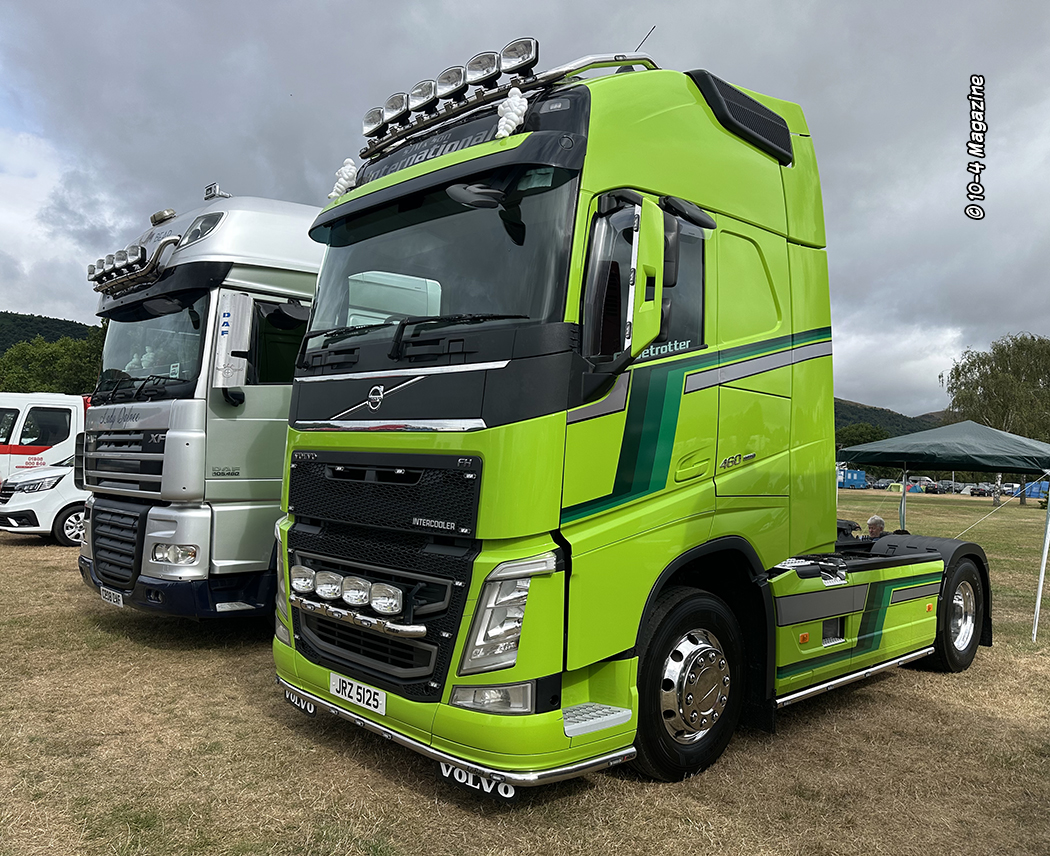
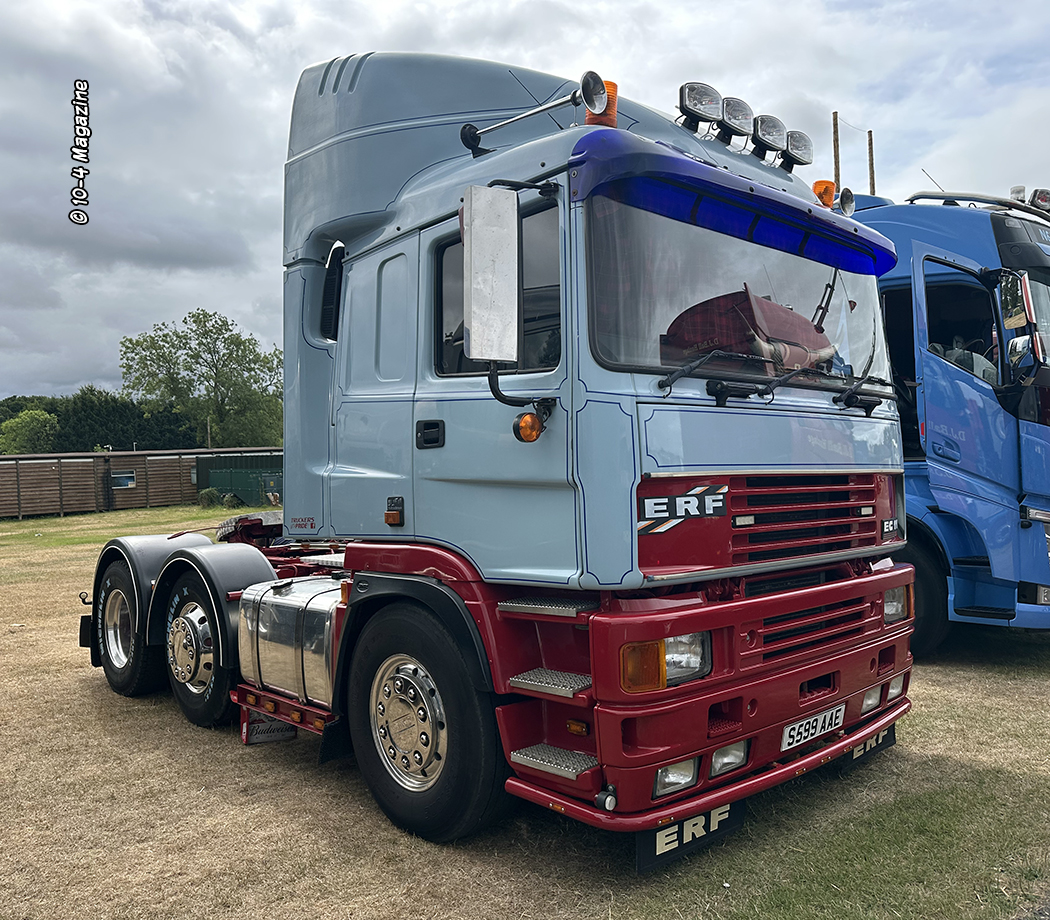
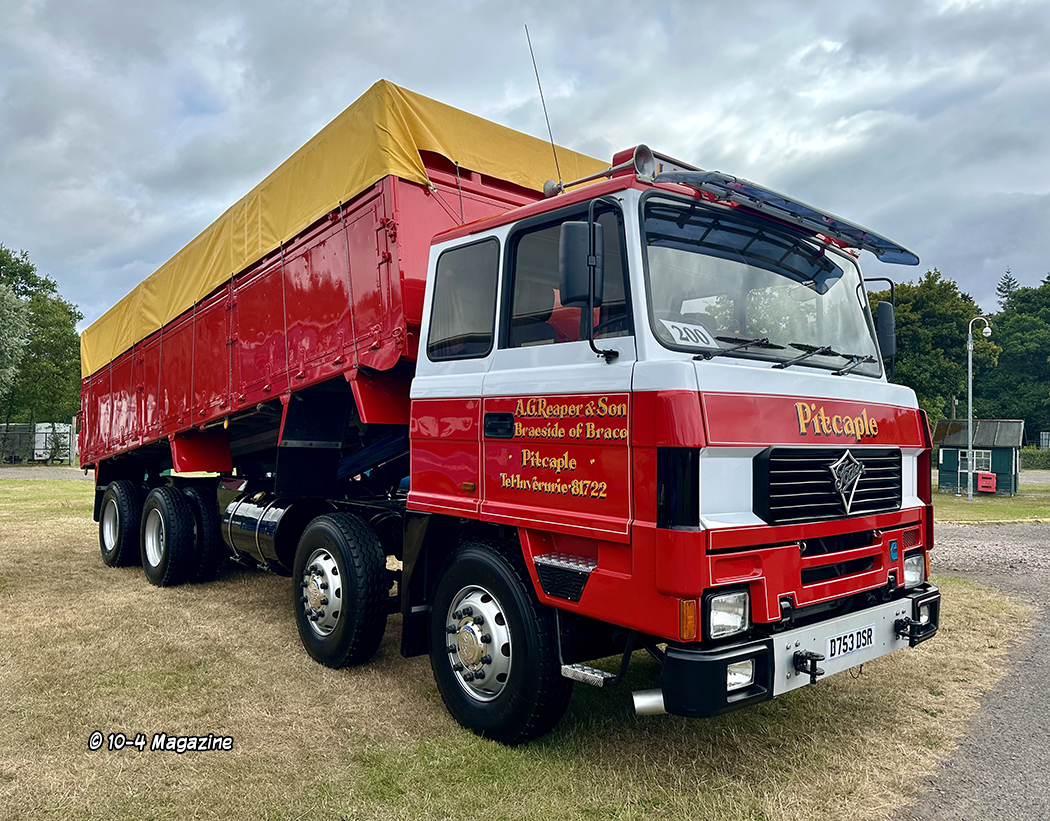
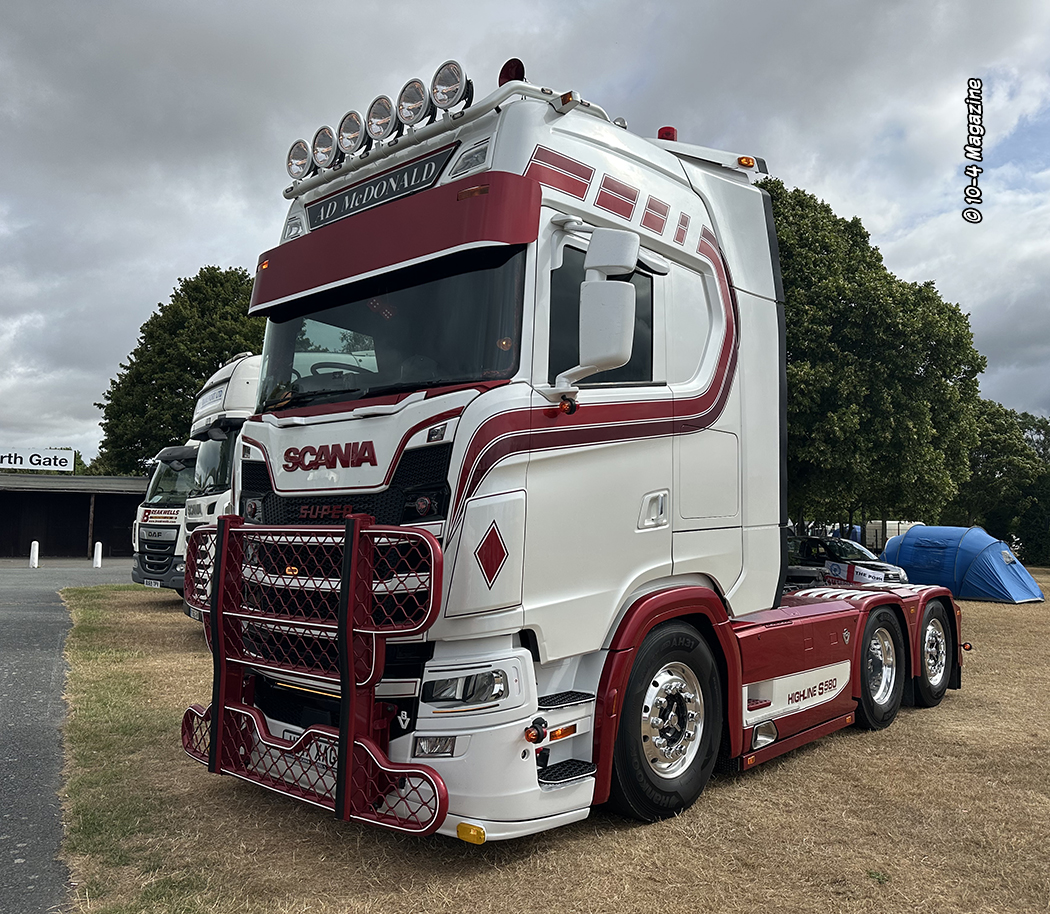
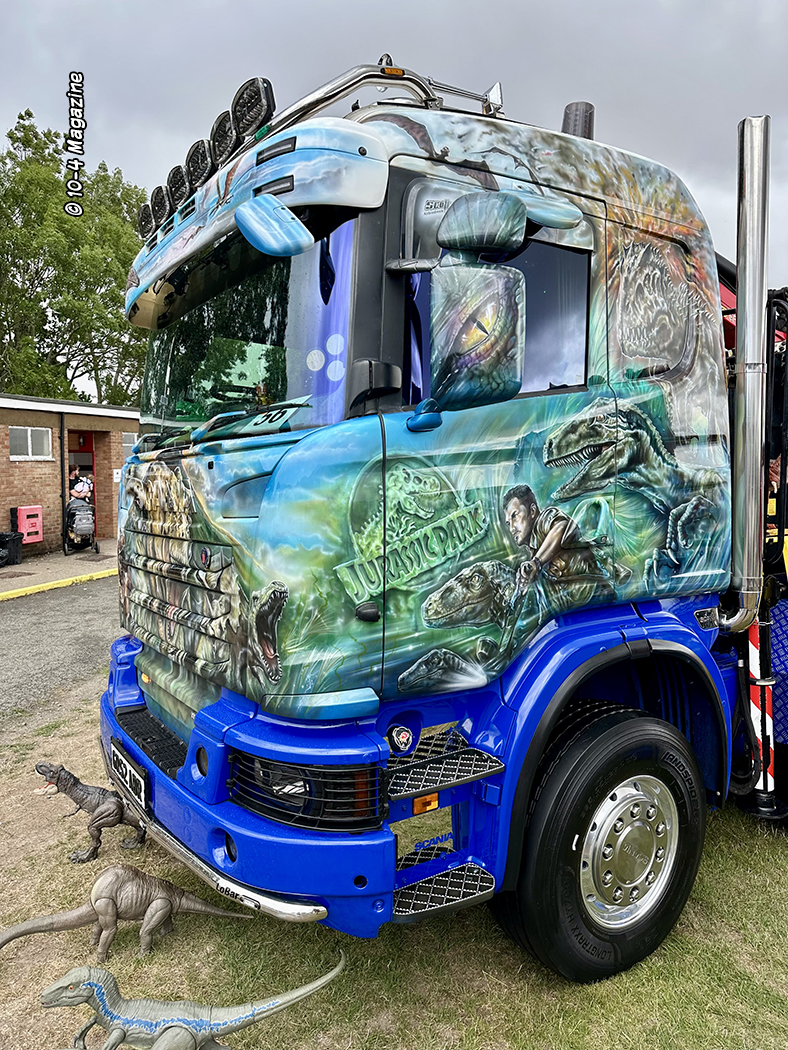
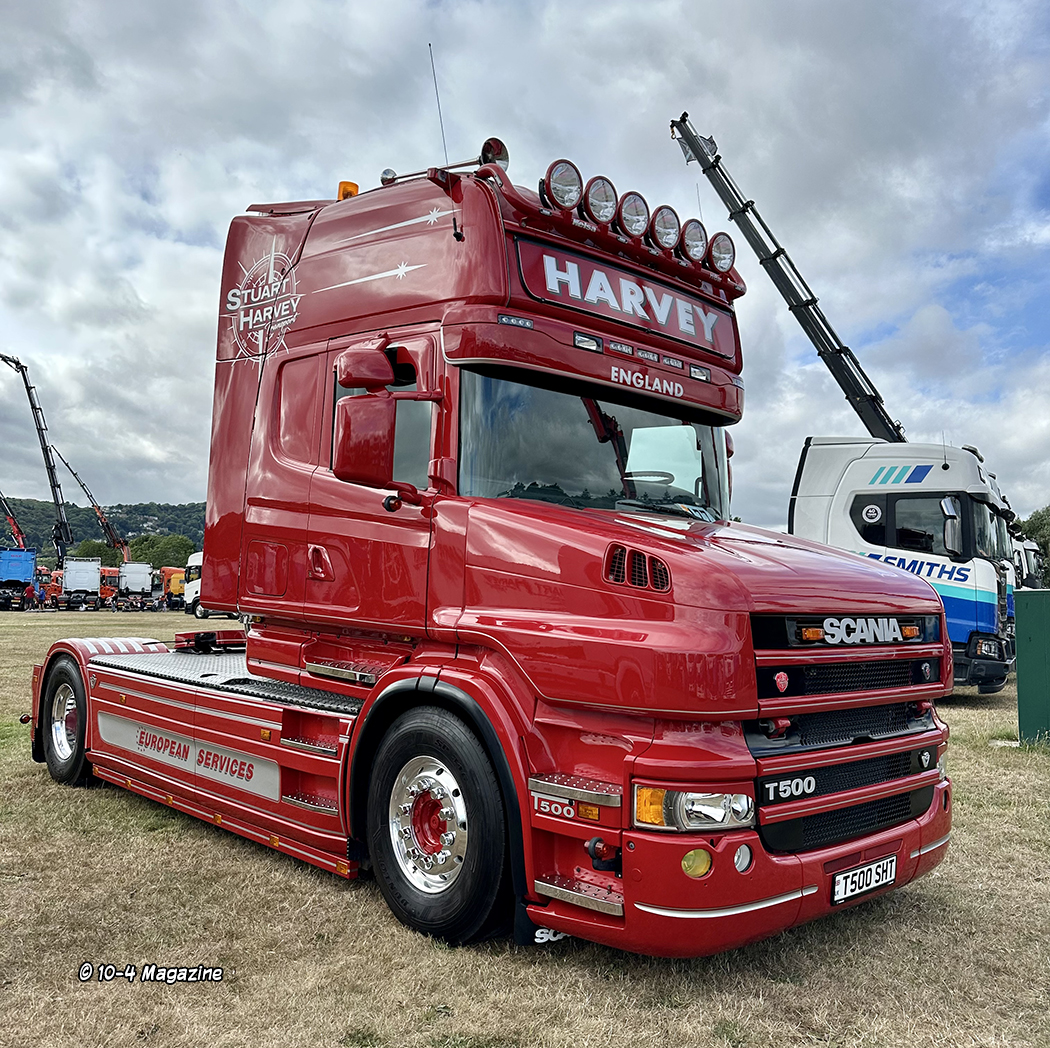
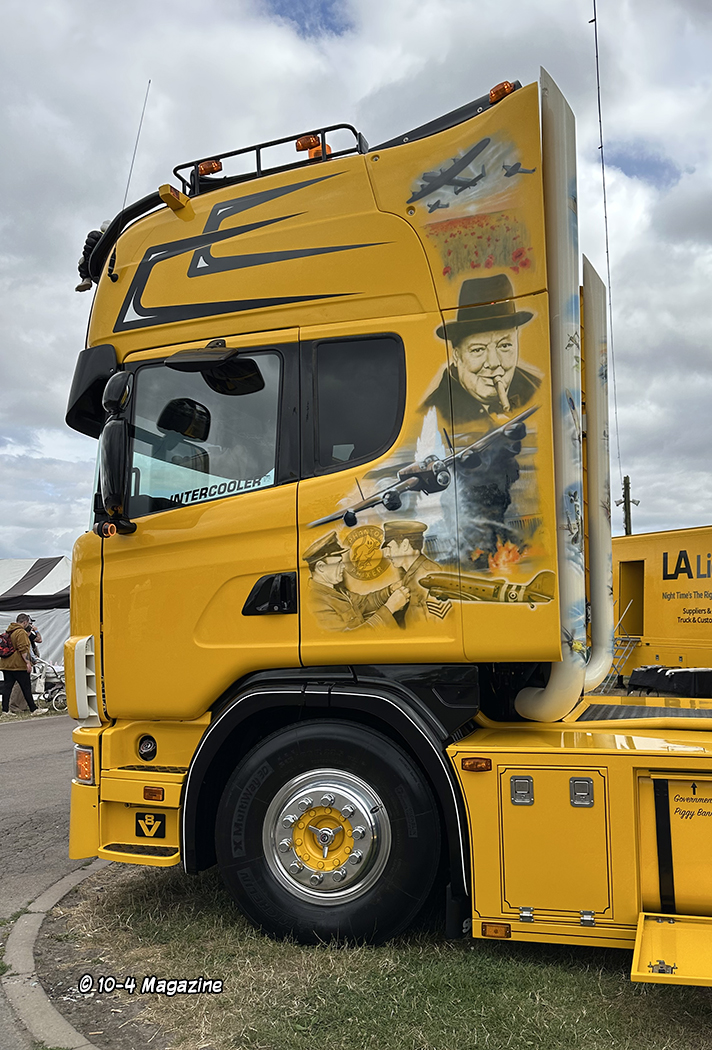
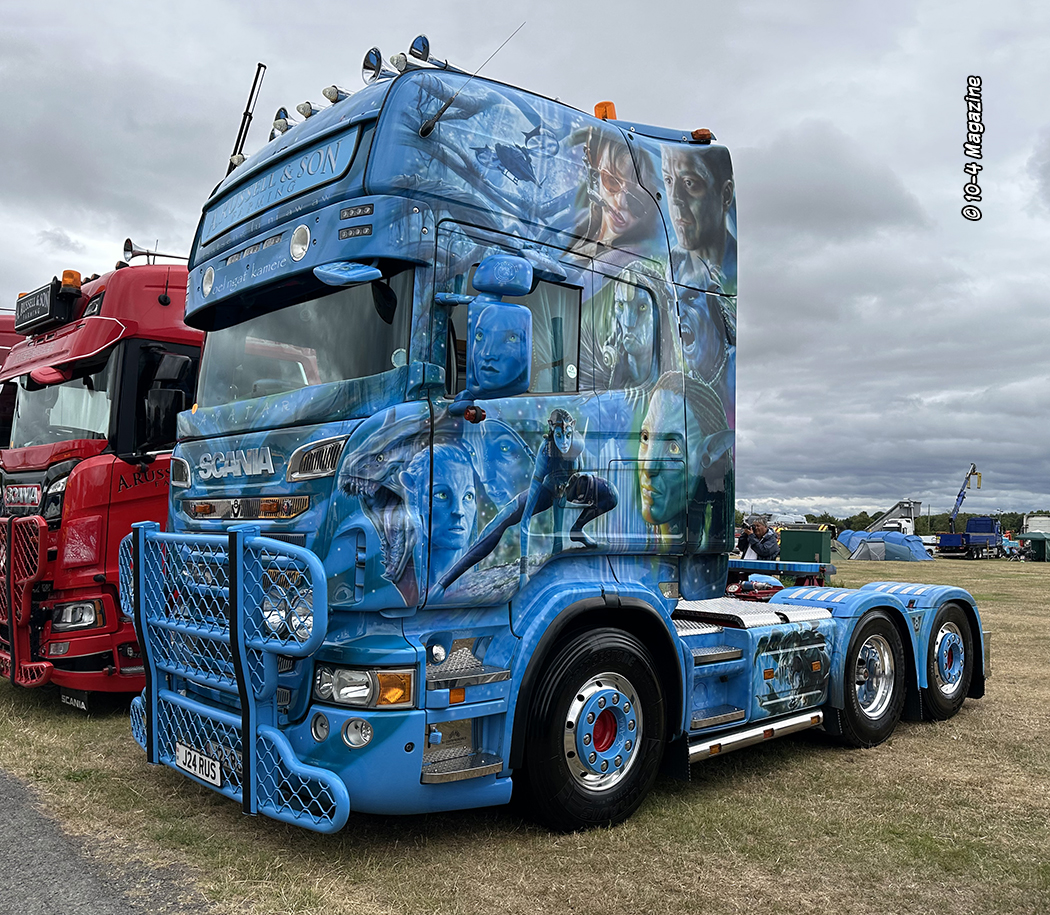
I arrived at Heathrow airport on the morning of the 4th of July (oh how the tables have turned)! After the train ride into London, a brief pub visit filled the time before the three-hour train ride into the countryside. Being a Friday, the trucks were already pouring into the show grounds, but I took the day easy to prepare for two solid days of European trucks. I was not prepared!!
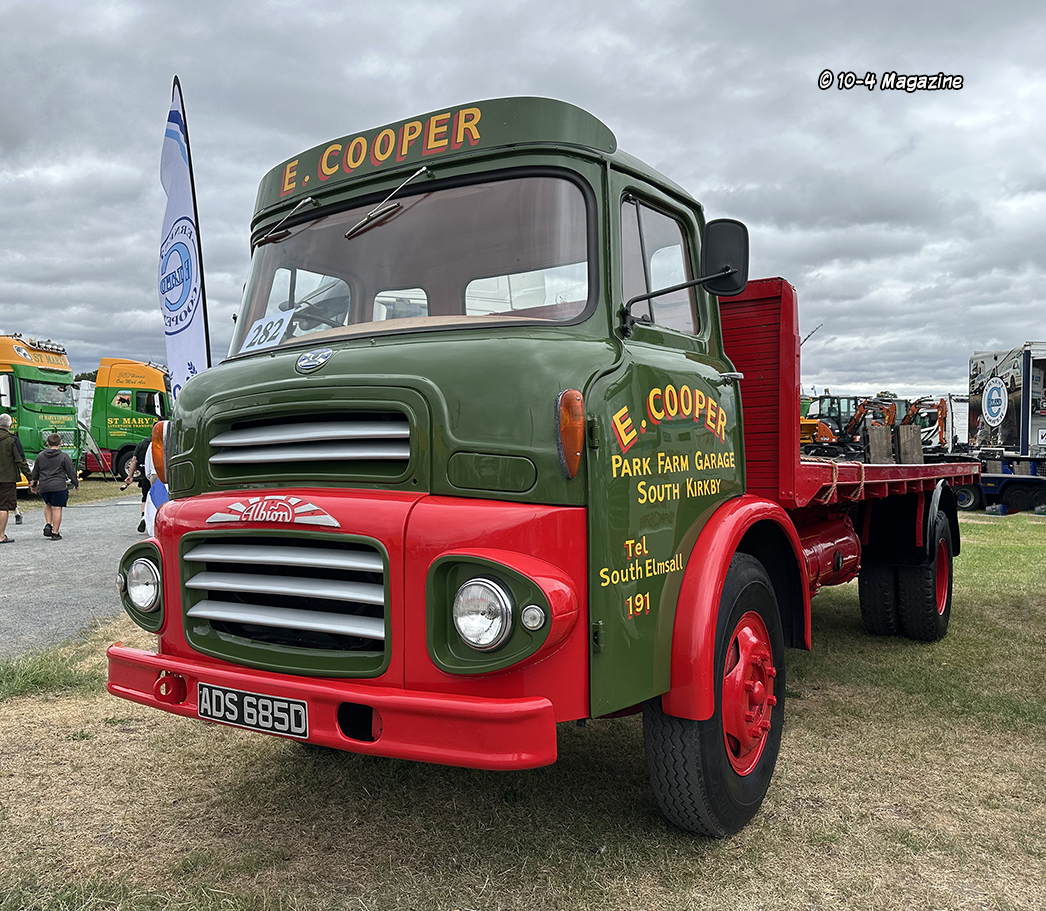
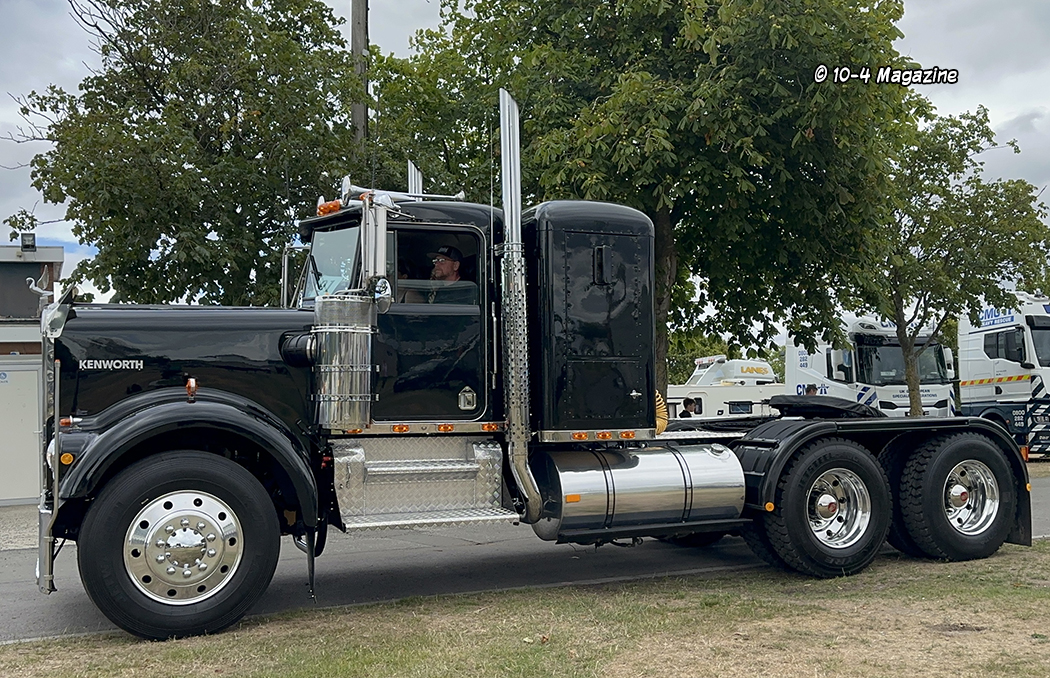
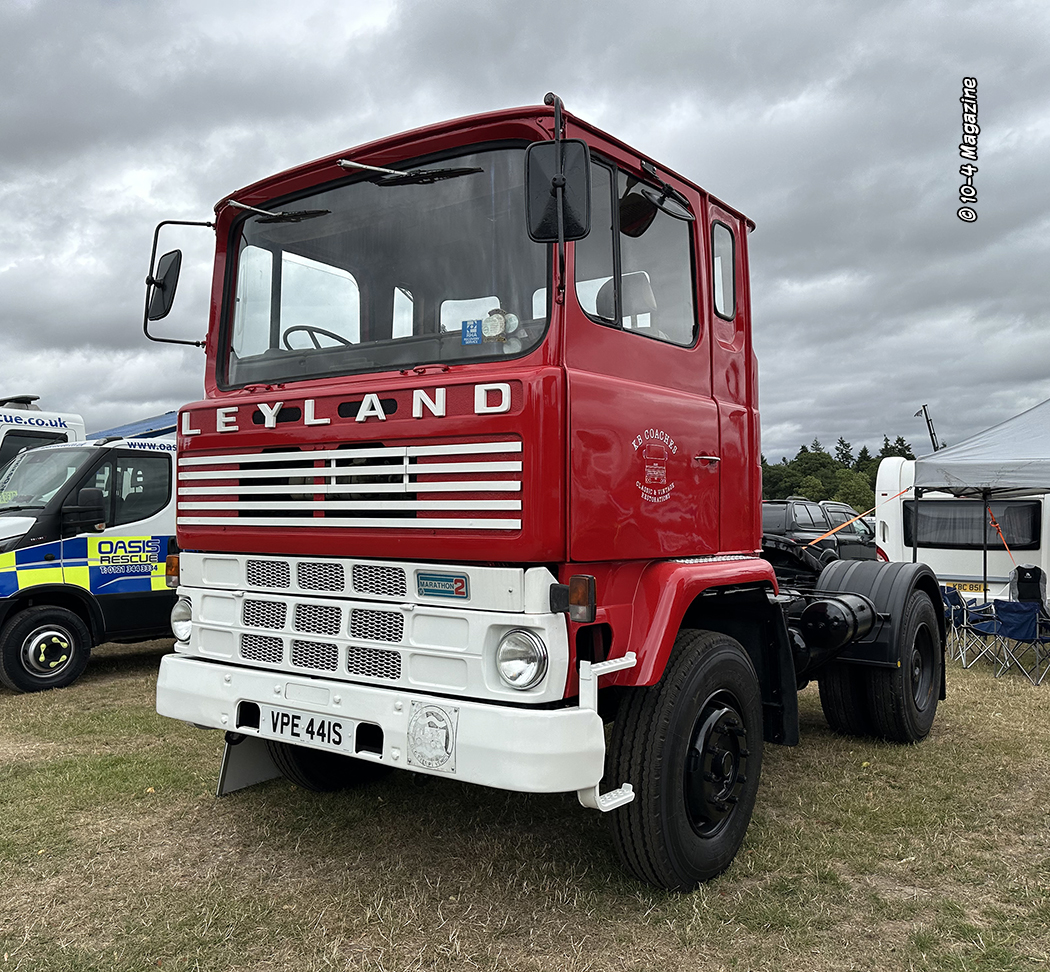
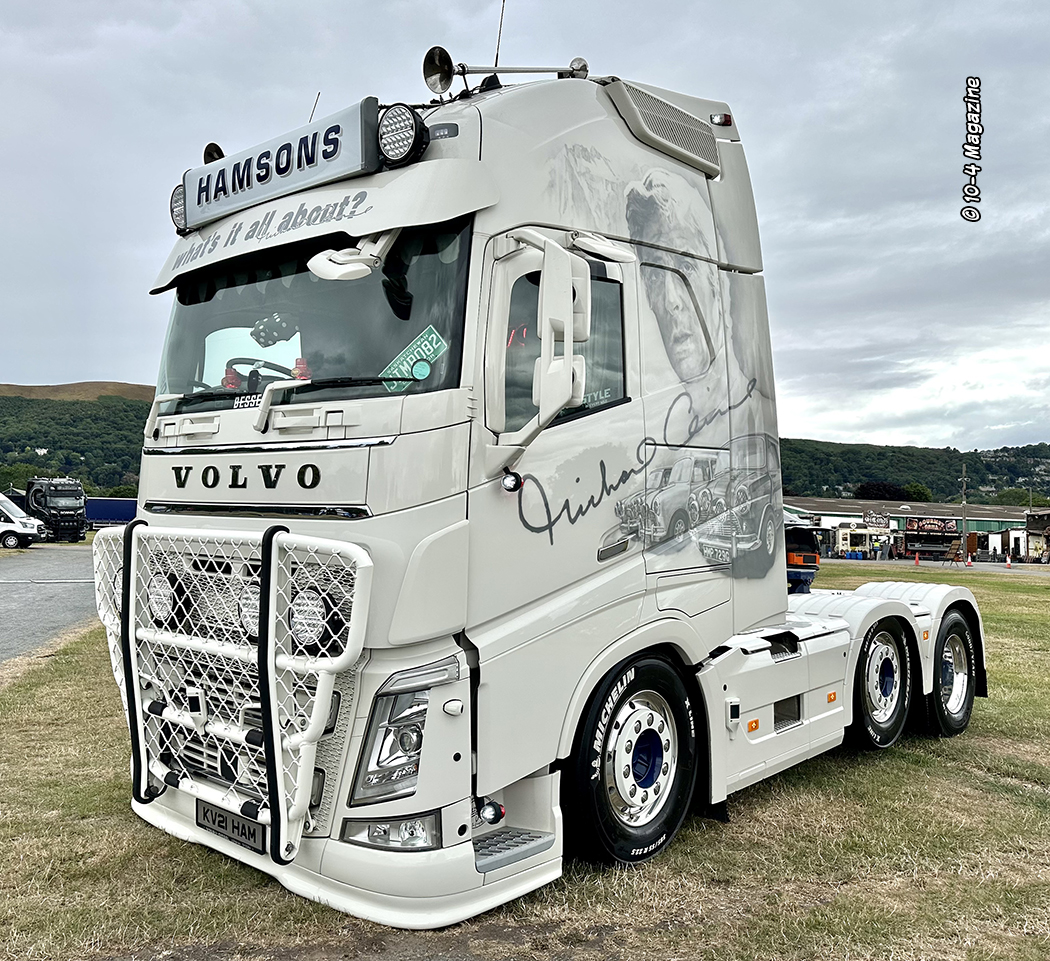
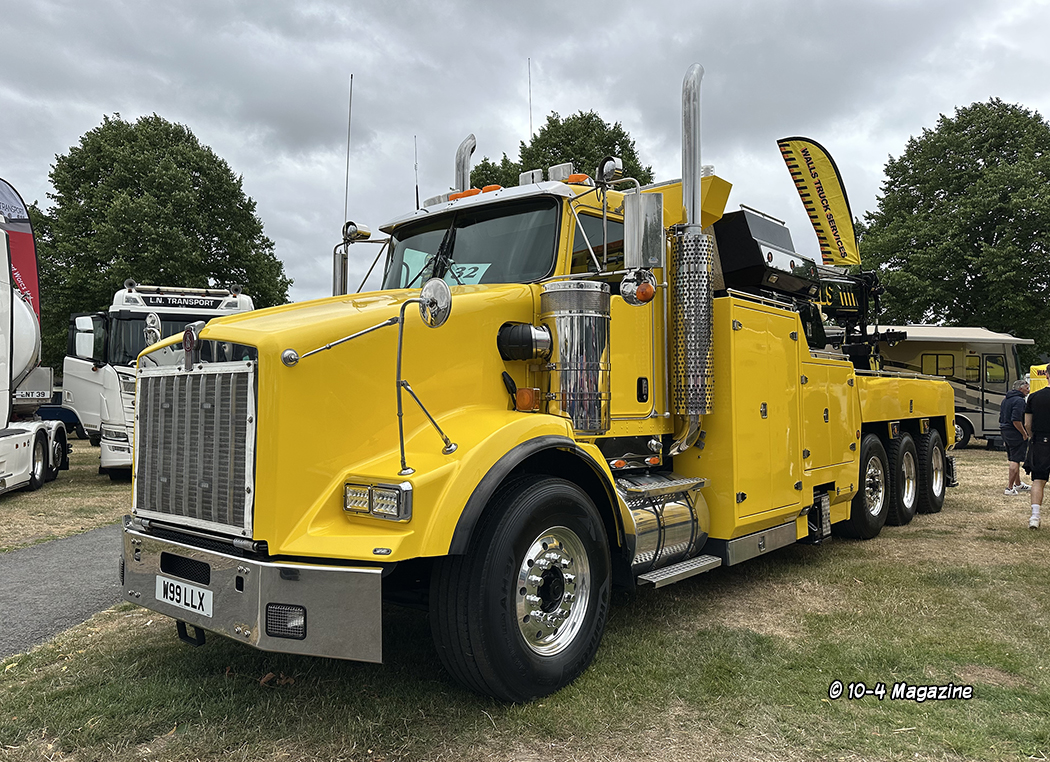
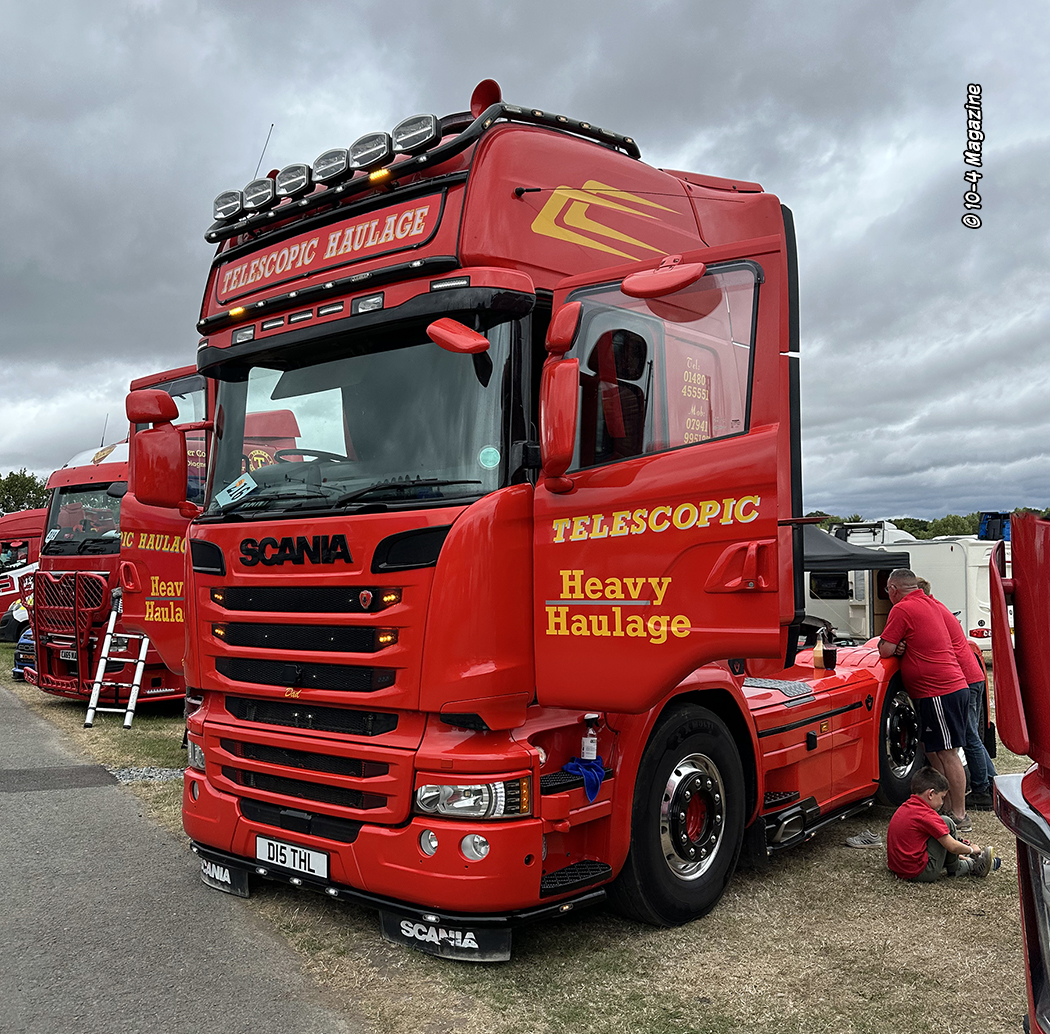
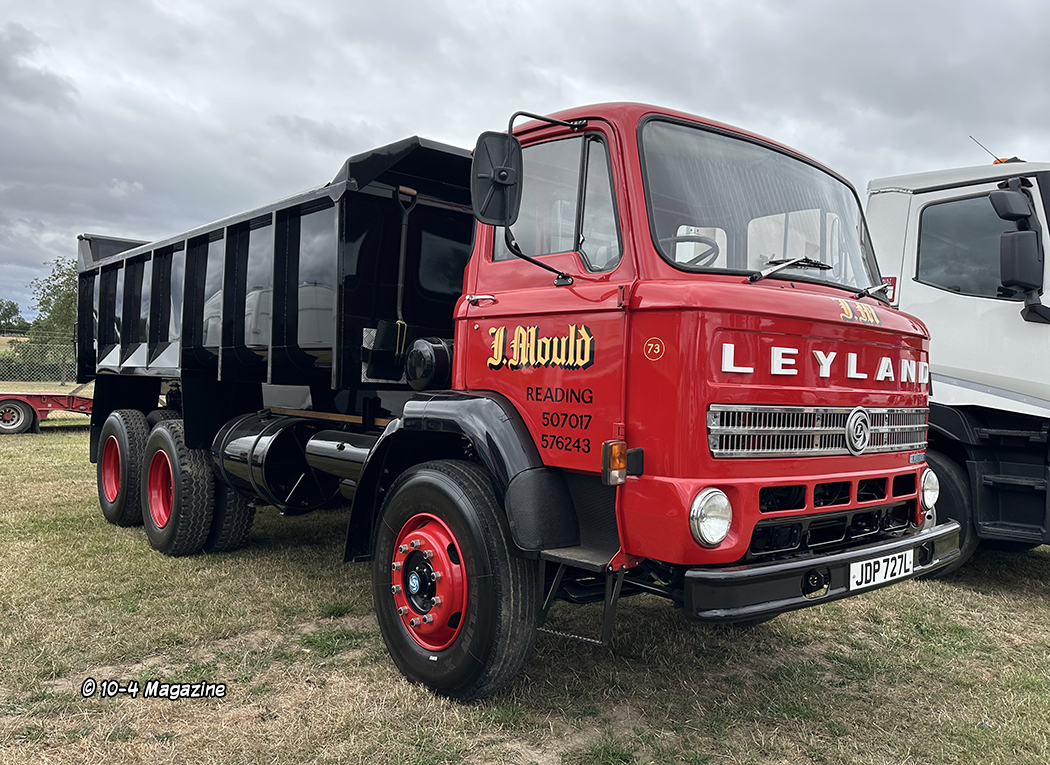
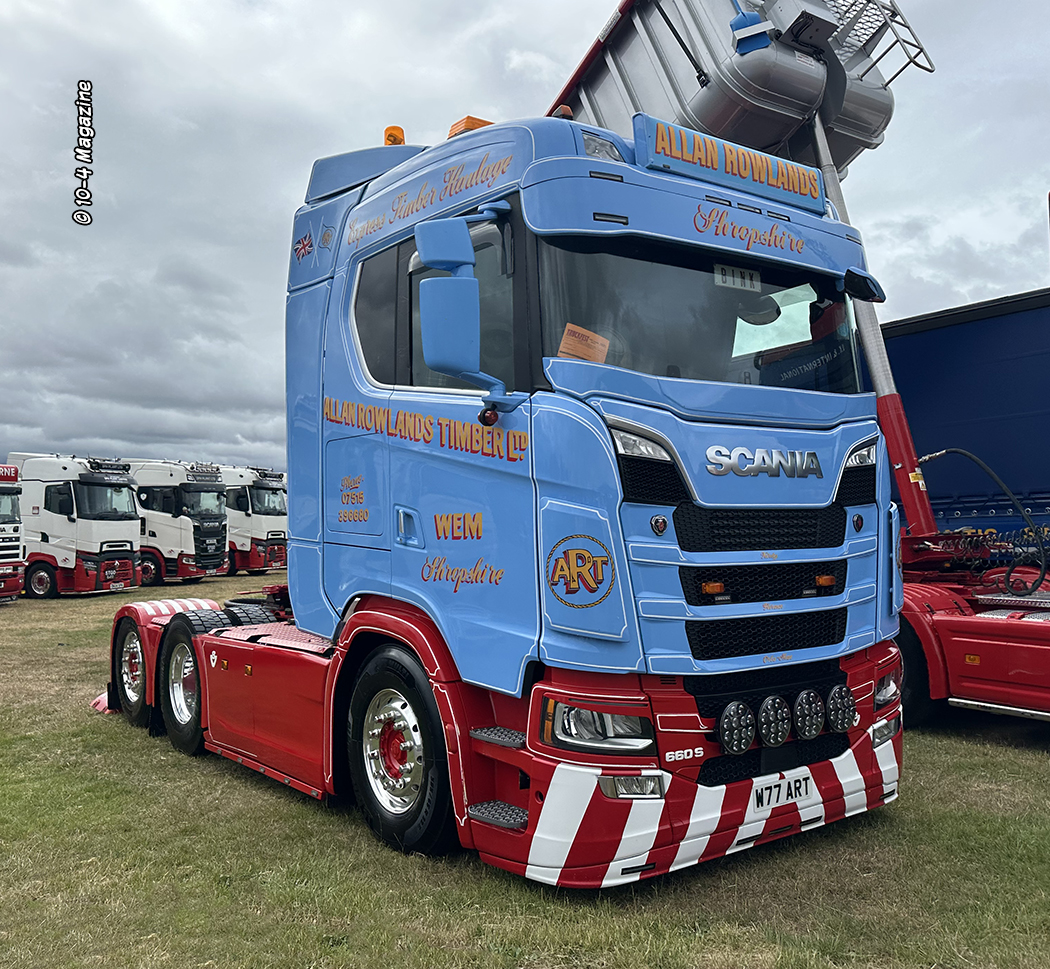
With 1,000 trucks, plus or minus 50, this is an average number for this massive event. The vintage trucks made up about 40 of them, with the majority on display being working rigs. Makes on display included Atkinson, DAF, ERF, Foden, Ford, Leyland, Scania, and two Kenworths, among others. When Nick Noon’s 1979 W900A drove past, I thought I was hallucinating. Obviously, I had to chase him down for the story. A relative imported it. It’s registered to work, but American trucks, especially conventionals, are way too long for the narrow, winding English roads.
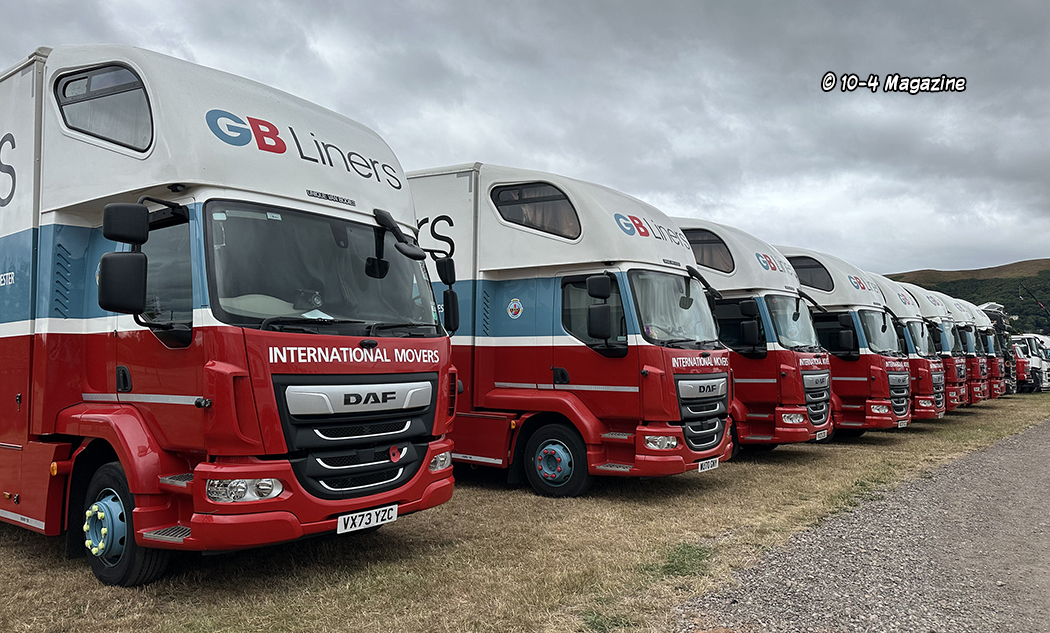
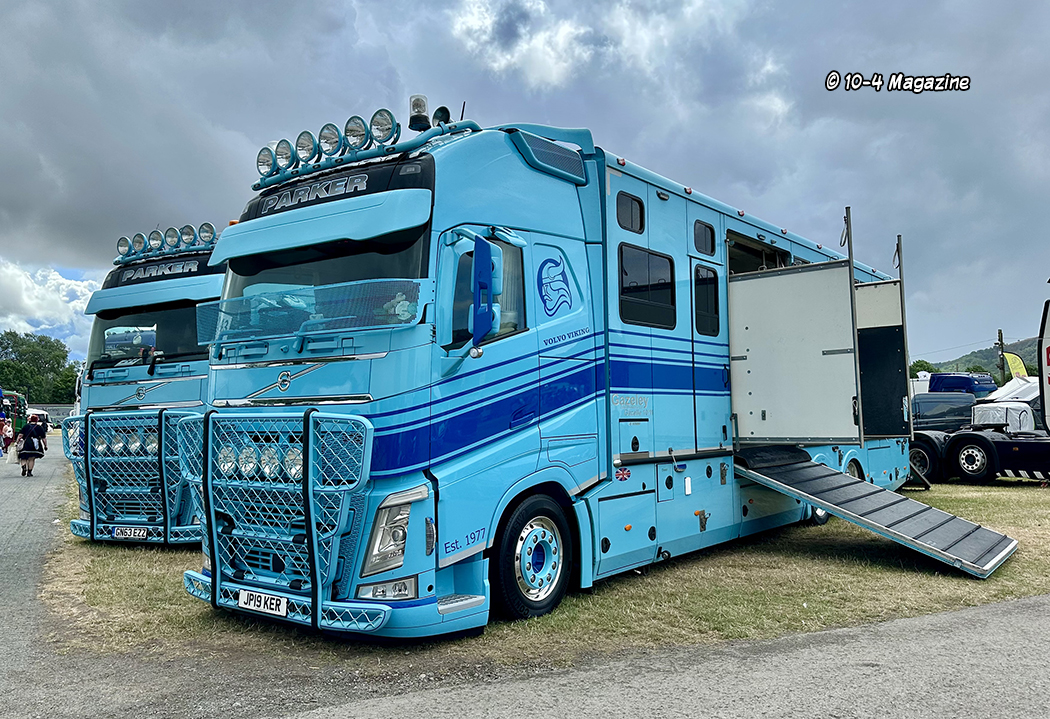
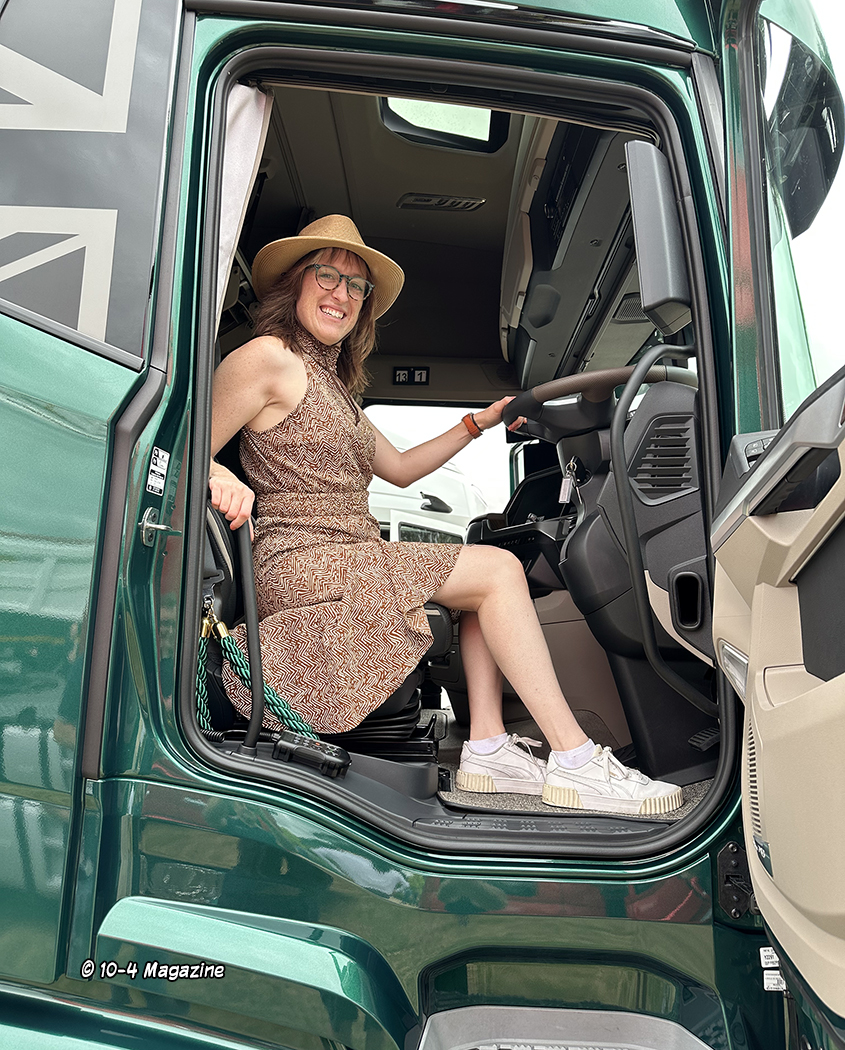
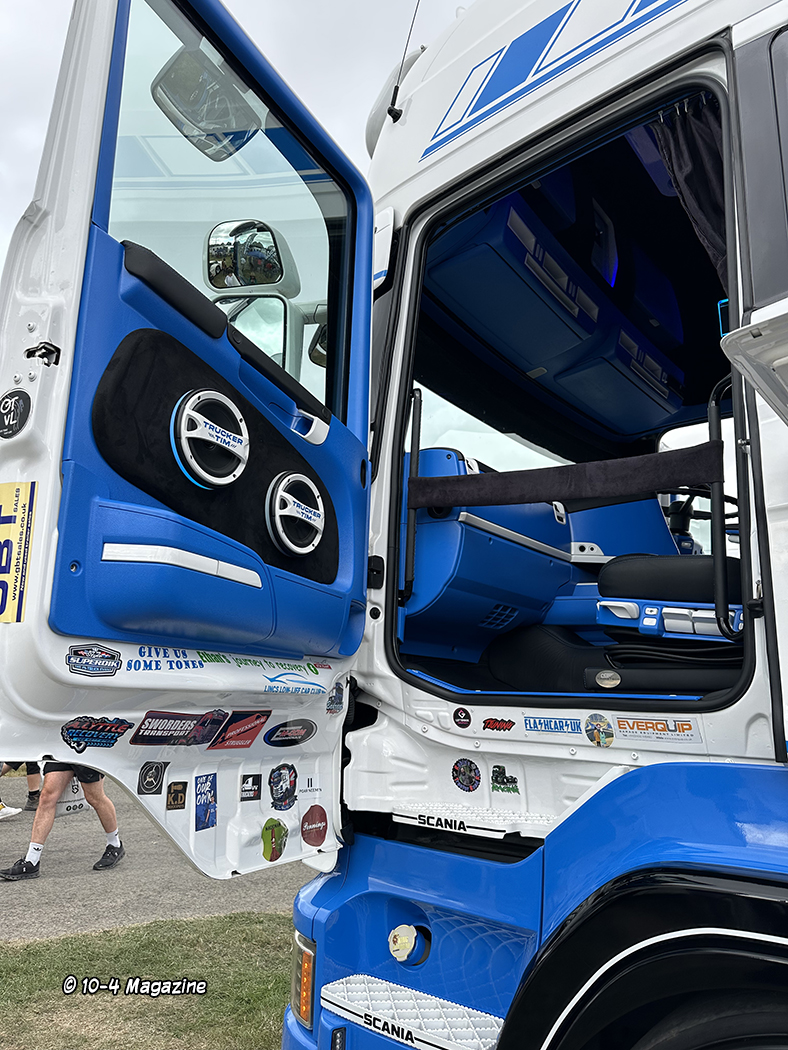
I climbed into several trucks over the course of the two-day show, and interviewed drivers of a wide variety of makes and models. That gave me a chance to observe even more differences between what you regularly see there versus here. The first thing you notice is how TALL the cabovers are. That height has to legally be displayed above the passenger door inside the cab. While they are tall, I was able to climb in and out without holding onto anything. The steps are easy to use, and the whole setup is super driver centered. And no matter the manufacturer, most of the trucks have a microwave and pull-out under sleeper refrigerator drawer. The driver’s seats often swivel so you can swing around for a meal, and a table can sometimes be pulled out of the dash.
You may be wondering why cabovers are still kings of the road in England and ask, “Where are all the conventionals?” Well, Europe is old, and the roads are narrow, sometimes with houses/buildings built up right to the road itself (I’m talking the edge of the structure is the curb)! The extra length of a hood makes maneuvering hard to impossible. Cabovers are the answer.
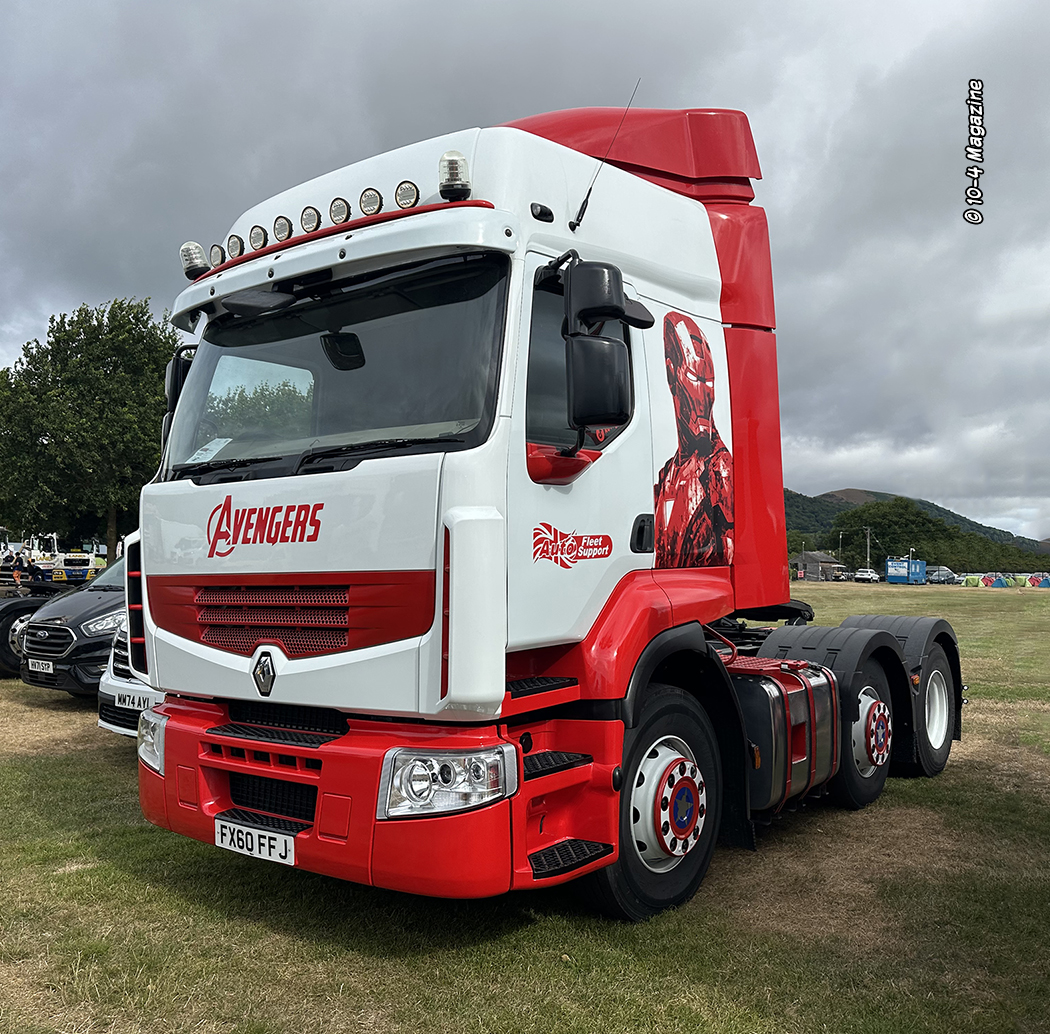
As you peruse the photos of the trucks on display, you may notice that many of the newer ones have cameras instead of mirrors. I asked a driver of 40 years his thoughts on the matter, as his 2023 was set up with cameras. His answer was that you have to be open minded and at least give new technology a fair chance before coming to a verdict. An answer like that was most definitely not expected, and it gave me something to reflect upon. After all, 100 years ago, plenty of deliveries were still being made by horse and cart. Some of the other trucks I talked to him about were 1970s Atkinsons (an English manufacturer) with wooden cabs!
DAF had a big fancy display, in which I was able to seek refuge several times when the unpredictably predictable English weather turned. The trucks they brought to display included an electric cabover and a special edition “UK30” built to celebrate 30 years of DAF in the UK. Including all those driver comfort cabover features I mentioned before, the UK30 also had a lower bunk that could be adjusted so the driver is sitting up! The employee I interviewed was well over six feet tall, and he had plenty of room above his head while standing inside the cab. So, short or not, and no matter the opinions on their appearances, those European cabover trucks are super spacious and comfortable.
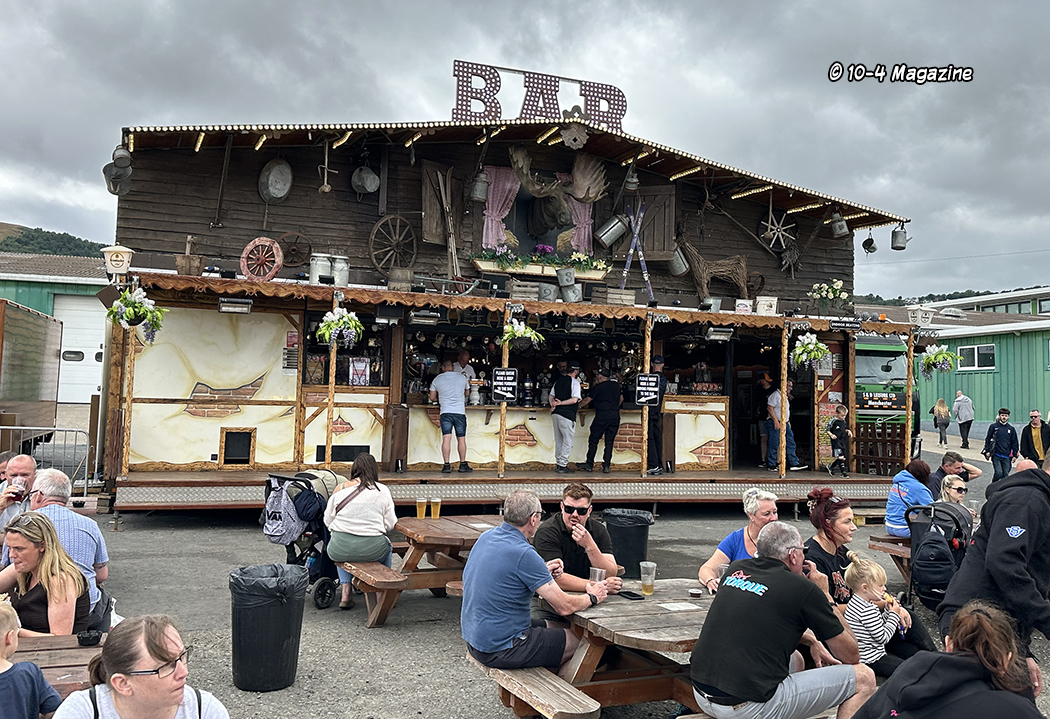
In addition to trucks, there were dozens and dozens of food vendors, multiple coffee trucks, two big mobile bars, and ice cream vans scattered all over. There were full-on carnival rides, monster truck rides, and a huge variety of vendors. I even picked up a couple custom-pressed number plates for the Marmon and my Mini Cooper back home. Activities continued inside with wrestlers and Gladiators!
If you thought 1,000 trucks in a field in the West Midlands sounded like a lot, the TruckFest in Lincoln attracts 3,000 trucks, and a show in Scotland gets 2,000-2,500! The first event was held back in 1983 in Newark. The night before the show it snowed, but 300 trucks still turned up. The organizers couldn’t afford to be in publications, so they sat along the motorway and advertised using CB radios. “Straight away we knew it wasn’t going to be a big enough site, so in 1984 we moved to Peterborough, and then later to our current site in Lincoln,” co-founder Bob Limming told me. There are now nine events held throughout the year around Britain. The one in Scotland has gone on for 38 years now.
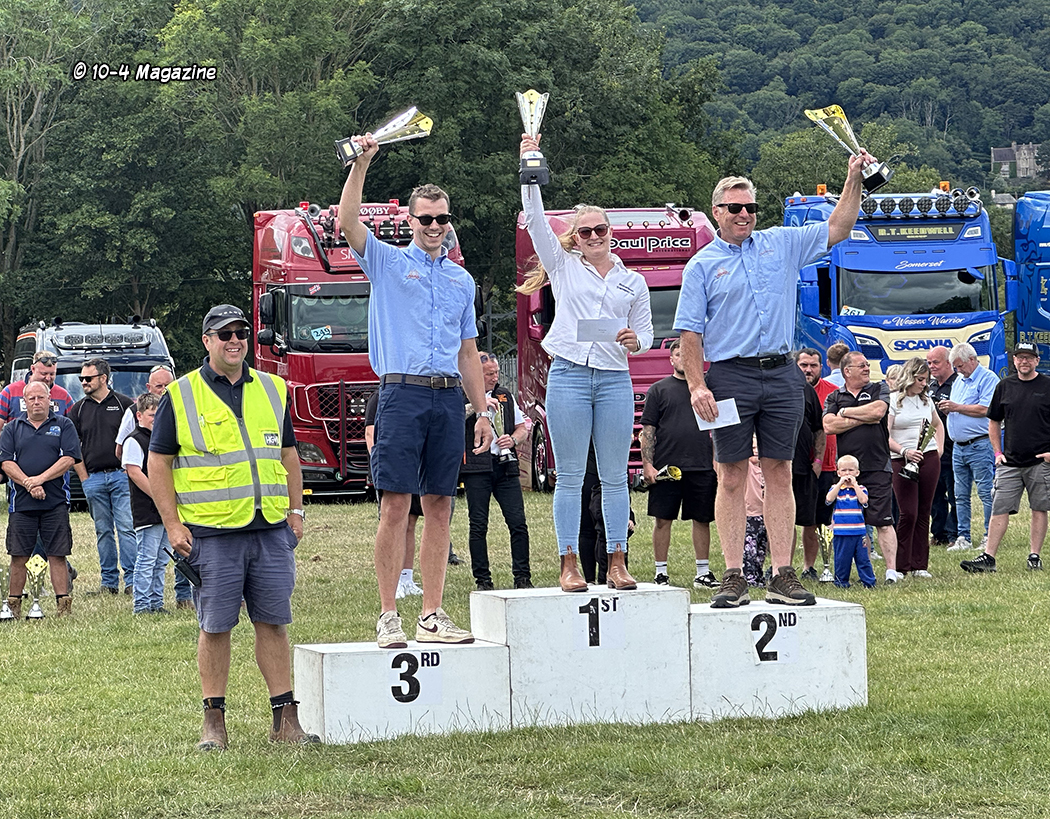
The event wrapped up on Sunday afternoon with a wide range of awards. Our W900A friend Nick took home Best Supertruck. The mood during the awards was not one of competition, but of congeniality. However, participants definitely knew the prestige of awards, as some spent every moment of Friday evening and Saturday cleaning and then cleaning again (being England, this often meant having to re-clean after a brief rain). I met tons of great people from all over the UK that showed me fabulous hospitality. I am looking forward to attending another TruckFest event in the future. And, as they say “over there” across the pond – cheers!