


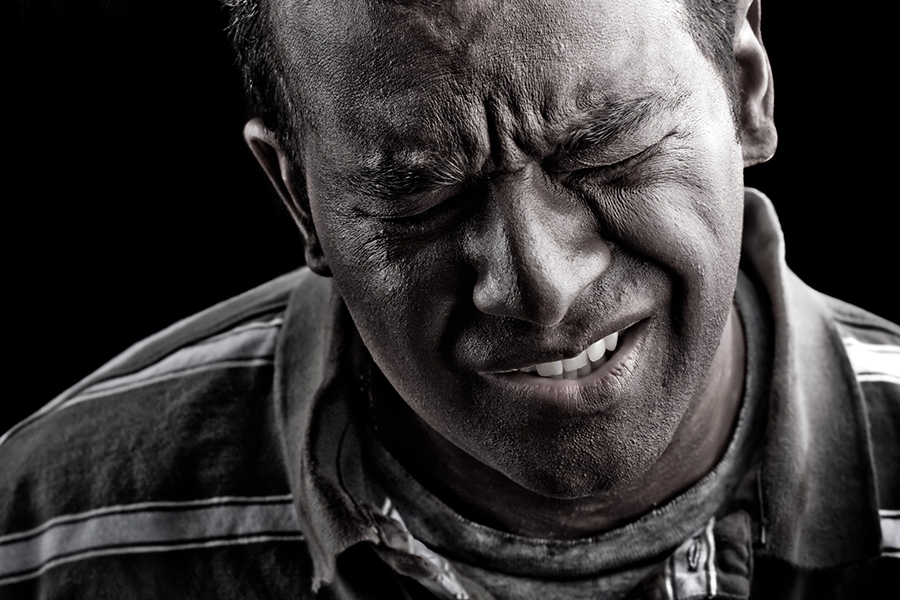
 As I write this column, I am in Chile, where I lived for two years as a Peace Corps Volunteer, to say my final good-bye to a very dear friend of over three decades. Although I have only seen this friend once since 1982, he has remained a powerful force in my life and is someone to whom I feel eternally indebted for his kindness and affection over the years. I even named a child after him. Under the circumstances, it seemed appropriate to write this month about grief, since we all experience it in some form or another at one time or another. It’s not a bad idea to know something about it beforehand, in order to be able to deal with it a little better, if and when necessary.
So, what exactly is grief, and is it different from bereavement? Grief is described in many ways: it can be “intense sorrow,” or “keen mental suffering,” or “a deep and poignant distress” over loss. But who decides what constitutes grief and loss? That is up to each one of us. Loss may come in the form of death, unemployment, severe injury or other health problem, beloved objects misplaced, destroyed or stolen, relationship break-ups, etc. What may for one person be a very important loss may seem trivial to another. Mourning is the outward expression of grief. Bereavement is the period of time one experiences these feelings of terrible loss, after the loss has occurred.
For many people, grief may cause a loss of sleep and/or appetite, depression, and an inability to concentrate. There are stages of grief that most people will go through in some way, shape or form. Some of us feel numb or disbelieving, that the loss has occurred, or is in the process of occurring. As a very young nurse, I was quite shocked when the wife of my patient, who had essentially sat on death watch with him for a week, asked me on the day he died, “Why didn’t you tell me he was dying?” She was in denial that he would soon be gone from her.
When grief sets in, bargaining may also occur. For example, if I or a loved one is sick, I may strike a bargain with God – “If you heal me/my loved one, I will quit smoking and drinking,” or promise to do something really difficult – “I will make a pilgrimage to…” One might feel anger; this could be directed at the person who is ill or has died – “How could you leave me??!!” – at God for letting the person die, or at the health care system. Of course, crying can occur throughout the process. My friend and I have cried together several times over the course of the past few days. I’m sure I will continue to cry over his loss.
Eventually, while grieving, one hopes to arrive at the point of acceptance. There may even be happiness with knowing that some suffering has been relieved. Guilt can be a prominent feature of grief. People commonly find themselves thinking, “If only I had…” or “It’s my fault that…” Knowing that these are feelings most people experience can bring some relief, and we need not feel alone with our sorrow.
Can there be too much grief? The amount of time it will take a person to come to terms with a loss varies from person to person. It may last several months or years, and depends on how close the relationship was. Complicated grief may occur in the person who has not dealt with her/his feelings about the loss; there may be some severe depression and/or an inability to reorganize life and refocus one’s energies after the loss. Grieving is an exhausting process, but one which should be experienced and worked through. In the event that one is feeling very depressed, even suicidal, seeking counseling is an important first step.
So, how should you deal with grief? Some people will benefit greatly from writing down their thoughts. These thoughts may be shared with the person who is dying, for example, or kept for future reflection if they are about another type of loss. Tears are tricky. In some societies, it is acceptable for women to cry but not men. The great value of tears is that they help rid the body of toxins that build up from stress in both men and women. Some of us have a hard time hiding our tears; others have a hard time crying them. If a person is in a situation where it would be really awkward to cry, postponing the tears could be helpful. Crying usually lightens the mood afterward; not crying can cause emotional distress later on and can have a negative impact on one’s health.
If a loved one is terminally ill, we can use this time to say all the things we need to say before it’s too late. Regret is often made of the things we didn’t do, like not saying good-bye when maybe we had the opportunity to do so. Don’t let stubbornness control your actions – do what needs to be done and say what needs to be said now, lest you may have to deal with unnecessary guilt and regret forever. Forgiveness is one of the most important healing tools we have. If it is not in your heart to forgive before a loved one dies, there is always tomorrow; forgiveness is something offered from the soul.
“You will lose someone you can’t live without, and your heart will be badly broken, and the bad news is that you never completely get over the loss of your beloved. But this is also the good news. They live forever in your broken heart that doesn’t seal back up. And you come through. It’s like having a broken leg that never heals perfectly – that still hurts when the weather gets cold, but you learn to dance with the limp.” – Anne Lamott
This month’s column is dedicated to Andrés Rojas Gonzalez, my dear friend who will soon be in heaven. It comforts me to know that we will meet again, and I so look forward to that day.