


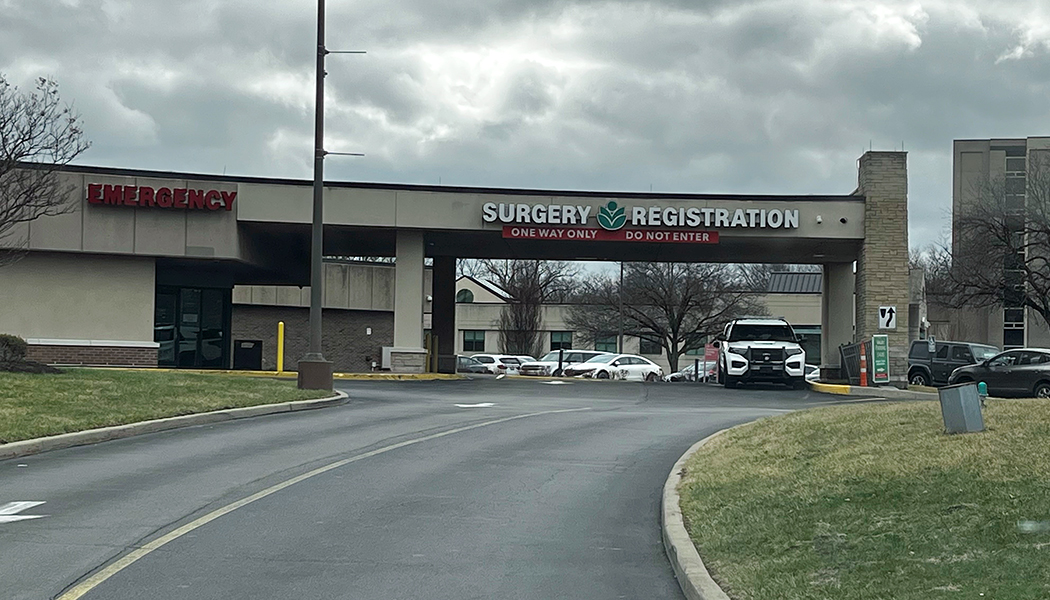
Here I sit all broken hearted, tried to work, but can’t get started, or so they say. It’s that classic response after a health issue. But what about before you recognize you are really sick and you force yourself to go through the motions and continue to attack your duties? How many of you refuse to admit it when you’re under the weather and your “got to go tank” is running low? Unlike your dashboard, there are no lights or buzzers that will sound off, so it is up to you to recognize when there is an issue.
It’s April again, and many will make jokes to start the month out with a little “April Fool’s” humor. I enjoy the lighthearted spirit as it traditionally ushers in wet weather and more unstable conditions (yuck)! Most of you have survived everything old man winter had to throw out there. Now, it’s Mother Nature’s turn, and we all know “hell has no fury like a woman scorned” (this quote was originally from a Shakespeare play dating all the way back to the year 1697). This is only half of that famous quote, but I’m guessing she’s had plenty of experience at creating mischievous situations, so that’s all she will need.
I’m going to step gently here because I don’t need any more trouble than I already have in case she gets mad at me. I have enough troubles when my better half gets defensive, and as of right now, I’m in deep TROUBLE on the home front. She may only be half my size, but when she gets on the war path, she makes up for size with tenacity. You know what they say, “The truck is dad’s pad when mom’s mad!” I can’t be sure these days, but Aunt Barb may be auditioning for a post-retirement job as Mother Nature. Who knew!
Like so many of you drivers, I refused to consider my health as a major priority when there’s work to be done. We tend to right off any discomfort as minor and disregard it as inconvenient. The show must go on, right? How’s that workin’ out for you? April is definitely a transition month in regard to the weather. Both temperatures and humidity can and do fluctuate greatly depending on which area of the US you’re operating in. No, it’s not Phoenix weather here, not even warm, dry, or sunny. It’s still damp and wet and cold in the northeast, while the southern states are much more pleasant, with warm sunny days, even occasionally reaching summer-like temps.
Some may ask, “How is this a problem?” Well, our bodies don’t adjust that rapidly to these changes and we, or at least many of us, don’t use our best judgment when given the opportunity to enjoy them. Especially those of us who already have underlying health issues happening. Most of us are constantly bombarded with health announcements to get out and move more. Walk, run, exercise, get your heart pumping, get out of the cab and experience life like normal people. This all sounds great until it’s time to head back north and the weather changes… again!
I spent many years running the north-south routes from the snow country to the sunshine state (Michigan to south Florida). Drivers were always dressed accordingly on the southern trip and then shedding a few pieces of clothing along the way, as the temps rose. But, when we would stop for fuel and food it was fairly easy to tell the northbound drivers. Many of them were showing signs of sunburn, and some of the rookies were even glowing like neon stop signs. Sunburn can be a minor inconvenience, only causing some discomfort, if it is treated properly. Normally it’s not a life altering experience unless you’re trying to get a summer’s worth of tan in just one sunny afternoon.
Word to the wise – they have sunscreen and blockers for those of us “snowbirds” who haven’t seen the sun for weeks or even months. When it comes to the early days of sun exposure, I like to refer to rule #1: just because you can, doesn’t mean you should! I will leave it at that, but when you can’t walk right or lean back in the seat, don’t say you were not warned. There is such a thing as sun poisoning and it will restrict your ability to drive for longer than 20 minutes. I’m just saying, use common sense and better judgment.
I used the sunburn analogy as an easy example because there are drivers who don’t think much further ahead of themselves than 15 minutes. Finally, you are all loaded up and ready to roll, checked your load, done the pre-trip, slammed it in gear, and it’s go time. It doesn’t take long for the temps to drop, then summer rapidly changes to spring, then right back to winter conditions. What can be the problem? Did you forget about turning off the A/C and cranking the heater a few hours ago?
We have all seen the drivers get out of their truck at the fuel stop in shorts, flip flops and a tank top, glowing like a neon sign, and neglecting to wear the appropriate clothing for the changing weather conditions. Maybe you should have changed your clothing to long pants (trousers for men) and a shirt with sleeves instead of cranking the heat before you left the warm weather. Should we even talk about wearing flip flops in the slush and snow while at the fuel island? Why is that any issue to us? It’s not, their poor judgment doesn’t need to affect your personal decisions, only you can make those choices for yourself.
Springtime is a common season for getting the sniffles and/or a head cold with that annoying cough that hangs on for far too long. So, most of us go to the self-service counter and grab some cold or allergy meds and then shoot right back out the door and then down the road to our next assignment. Two cups of coffee, three heavy dose aspirin, a couple swigs of cold medicine (liquid), and then let the sweats begin. Three days later, the cough has become a full-time companion, often ripping your chest apart and distracting you from focusing on the road, and that splitting headache that awakened you early this morning hasn’t lessened any after 1000 mg of pain reliever. After a strenuous bout of hacking and struggling to get your wind, you collect some of your composure and then grab another hit from the cough syrup.
We all know, what goes up, must come back down, and the same holds true for the dreaded head cold – what starts on top will definitely proceed down. First the sinuses, then the throat, then the lungs, and finally the stomach (oh the stomach). It’s hard to make miles when you are jumping off at every other exit to make a quick trip for… well, you know what for, and it’s not to sightsee at the nearest Buc-ee’s gas station. If you’re lucky, it will eventually pass, and life will get back on track in a few days. But what happens when it doesn’t?
Sometimes the symptoms continue to hold on, and your condition continues to get worse. You start to lose energy, your appetite goes south, and pretty soon you find yourself bundled up under a blanket, huddled in the fetal position, somewhere in the bunk. You can’t sleep or stay awake, it’s impossible to get a good deep breath of air, your fever is through the roof, and you are physically shot. What’s next? Do you find an ER or a clinic, or do you just keep trying to go forward? That load must go on, right? Especially after everything dispatch said (dispatch says a lot of stuff – most of which is a lie to get you moving).
After decades of crisscrossing this nation, I can honestly say I never checked myself into a medical center when I was on the road. However, I have shut down and locked myself in the bunk to “sweat it out” a few times. In hindsight, I will admit, there have been times when I should have headed to the doctor. Luck may have been on my side then, but at some point, we all over hedge our bets. Las Vegas isn’t the only place you can play the odds, just remember, “When you gamble with your health the table always wins!” If you are wondering why I’m on this health kick, let me explain.
First off, finding available health care while on the road can be more than just a challenge, especially if you’re not feeling good to begin with. Second, if you can find a caregiver who will see you on short notice, can you get to them in an expedited fashion? There doesn’t seem to be parking for large trucks at most of the hospitals and many of the walk-in clinics are located in strip malls or out of the way places that are not truck friendly. However, if you are diligent and a little creative, you will find that they receive delivery orders often in the rear of or under the main floors (many of which arrive in 53 foot reefers). If you try this, don’t tell them I recommended it! My fall back in life has always been, “It’s better to ask for forgiveness afterwards then permission ahead of time.”

Fortunately, today there are now apps on our phone that can arrange rapid transport to anywhere from anywhere at most anytime of the day/night. This may be a better option than driving to the appointment center. It should also allow you to park and store your equipment in a legal and safe place. I realize there is a cost to parking in secured, monitored lots, but in most circumstances, this will be cheaper and easier to repower the load if necessary (for extended stays) or to place a security perimeter around it (electric surveillance). Many of the nicer facilities have monitored and certified check-ins and outs for accountability and insurance purposes. If in doubt, have your dispatch or a responsible party do the research and set this up for you.
I understand you only hope to be there for a few hours and we are all counting our coins when trying to save a buck or two while on the road (remember when I mentioned some drivers are only thinking 15 minutes ahead), but if you are sick enough to go to the ER, then you might want to plan a bit further ahead than just for today. Let me explain the process for what happens when you get to the medical center. First off, if it is a hospital, once you get inside, the mobile device you are holding will probably lose signal. Second, all of the attending personnel are going to be asking you tons of questions, so you won’t have time to use the phone anyway. Third, they often give you something to relax, and you just might fall asleep (with the exception of when they are pricking, poking, prodding or prompting you to consume some pills that look like M&M candies but taste like bitter root tablets.
Much of this is fresh in my mind because I just went through it. Thankfully, I wasn’t under a load or on the road, but the underlying reason is still the same… driver, you are just bullheaded and won’t listen to any reason! I was one of the fortunate few who had a second party badgering me to go to the ER and get checked out since, according to my wife, “The rattle in my chest sounds awful.” Once a driver, always a driver, and old habits are hard to break. I had started some home projects that needed to be finished before the spring weather breaks, when everything gets mudded in. I didn’t feel at all sick or stressed, so I continued to plug along, working as hard as my breathing would allow me to.
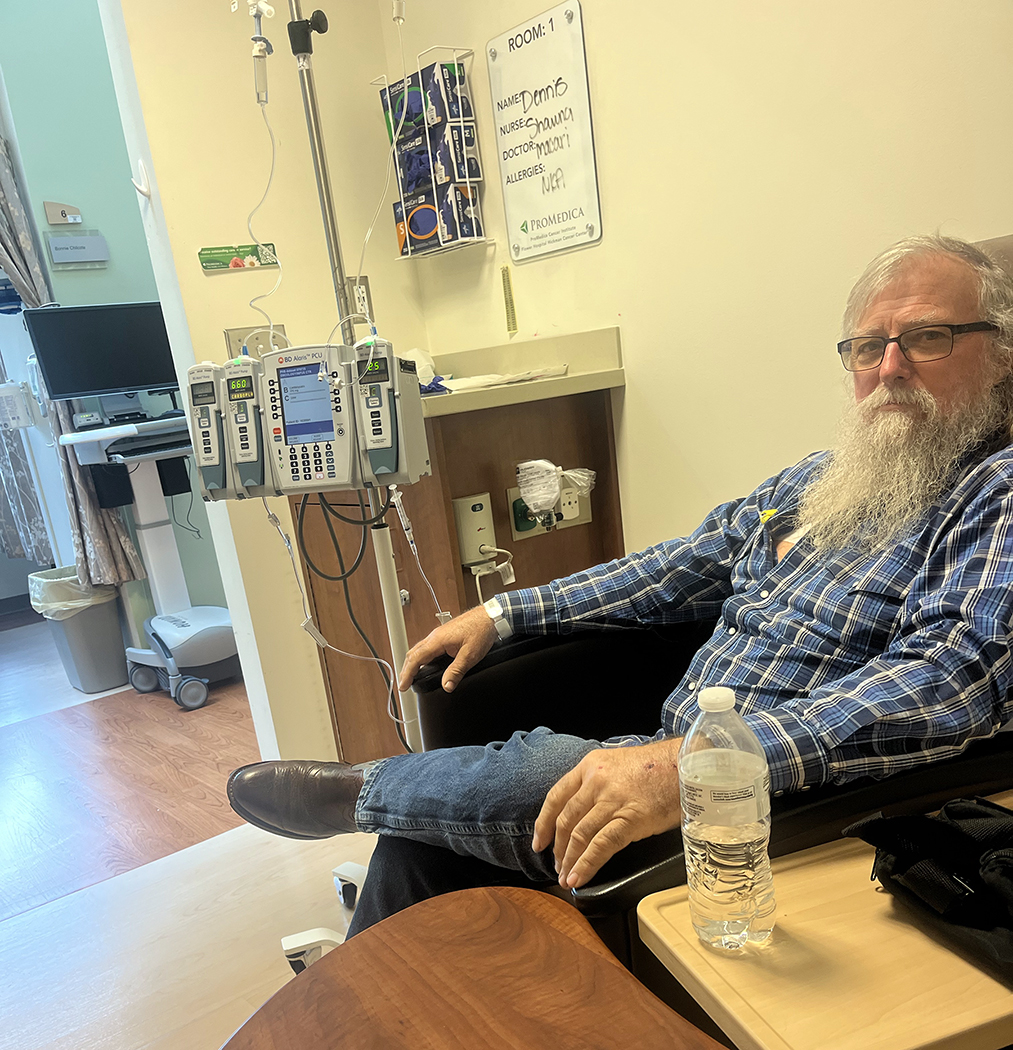
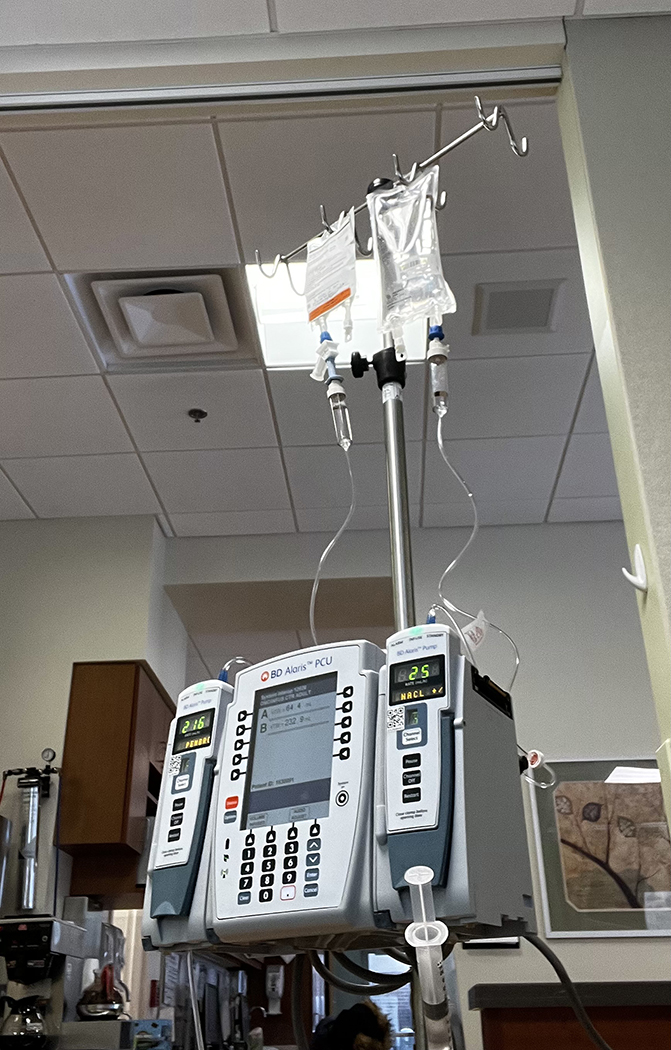
I had recently been seen by my regular physician, and they didn’t appear concerned about the cough, so I blew it off, too. After two weeks of stressful breathing, I finally consented to a quick trip to the ER. 15 minutes after my check-in I was slapped, strapped and snapped into the CT scan machine, then things went downhill fast. 20 minutes into this quick little visit, I got escorted upstairs to an observation room for monitoring. In went the IVs and, as they say in the movies, “Let the fun begin.” Three days of blood draws and cultures for, you guessed it, pneumonia! Then, another day or so to be sure the meds were working. Getting the diagnosis was the easy part – at that point, I needed the rest. What I didn’t need was the big financial strain that comes with every hospital stay. Even if you have good insurance you may still find yourself with unexpected bills, including truck expenses that continue to roll along, with or without racking up any miles.
For you company drivers out there, your parent company may repower your complete unit with a new driver to take over for you. Remember, they have a responsibility to the shipper to fulfill their obligations as a carrier (time sensitive freight). In some cases, it’s far cheaper to relocate a driver after an extended stay and possible recovery time than to hold a load over and risk possible damage to future potential customers. Your health is critical and needs to be a priority, not only for you, but for your company, as well. Make sure you are communicating with dispatch and the safety department, as they will be far more agreeable when it comes to getting you the health care you need while out on the road.
These same guidelines apply to local drivers, as well, since most of you have sick days available (even if they are not compensated with pay they are still there for your convenience). Use them wisely and avoid the downside of “Damn, I feel like crap!” April is a great transition month, and we all get a little excited at the prospect of those warm, sunny days of summer. But they will be far more enjoyable if we transition into them slowly and use a reasonable amount of restraint when considering our health. “Your health is your wealth, so spend it wisely.”
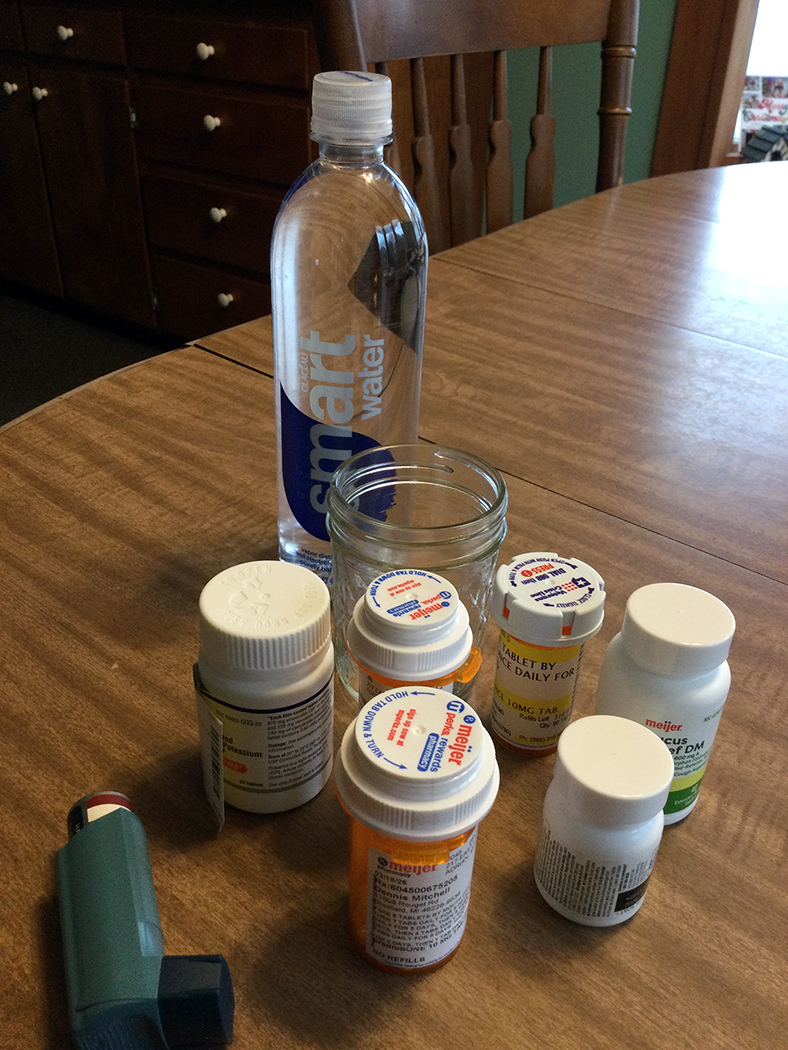
I’m recovering at home after an extended stay in the hospital and now I’m on a pharmaceutical regiment that could choke a horse (not to mention break the bank). One of the meds states, “No Operating Heavy Machinery or Large Equipment” when taking this medication. We all know the responsibility we assume when getting behind the wheel. As professional drivers, I would expect each and every one of you to be fully compliant and in control of the unit you are operating at all times.
In hindsight, maybe I shouldn’t have acted so foolishly, pushing myself to do the impossible, when it wasn’t really necessary. If only I had listened to the advice of someone close to me when the weather was warm last week. If so, I wouldn’t be sitting here brokenhearted, sick and tired, and not able to get started! Motor safely, drivers, and always take care of your health, 10-4!!