


What’s not to love about logistics? February is the month of relationships, not just with other people, but with every aspect of our lives. As drivers we tend to only think about that last load and our next one. In reality, we are hoping to get paid for the last assignment and possibly do better on the next one. But what is logistics, and how does it all work? More importantly, what role do we play in it? Is it a person, a place, or is it only about time? Why is it important? Where does it start and who is responsible for it? Can we follow through the complete process, from inventory order to table order, or from staging to delivery? How do folks know how much to order or where it even comes from? These are all valuable and valid questions – the kind of things my mind constantly ponders.
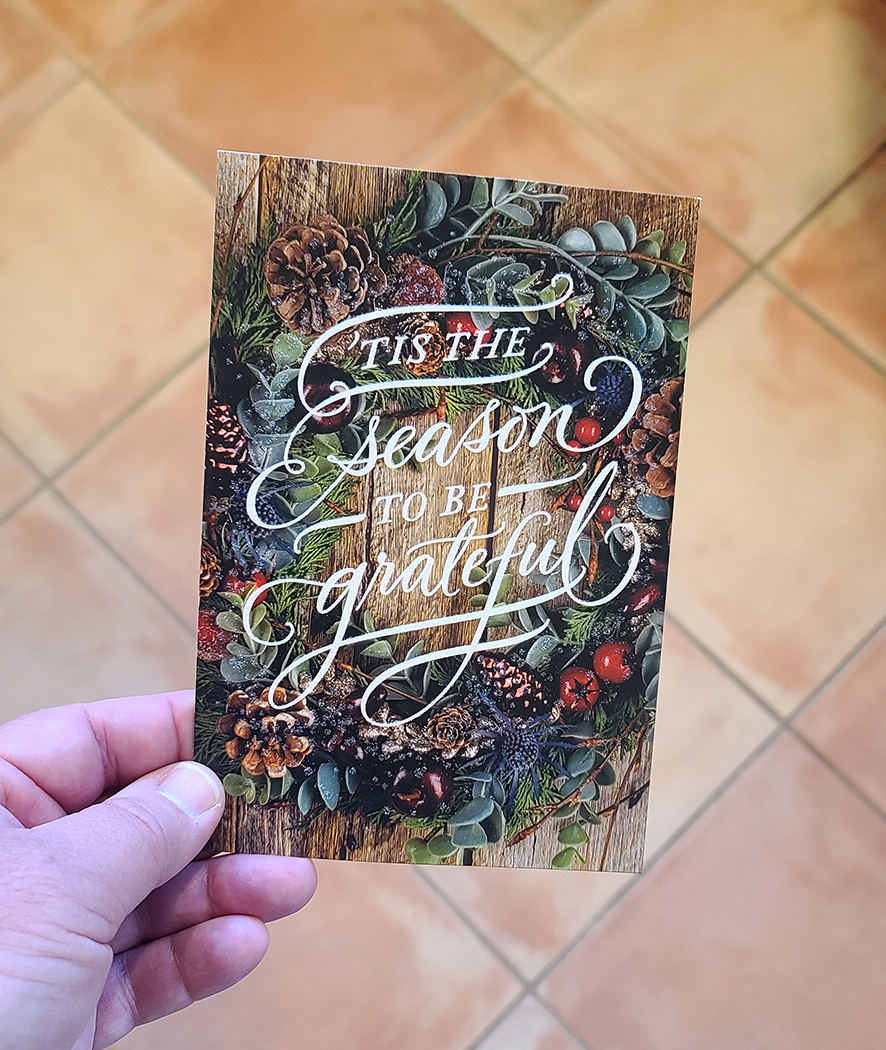
This year is off to a roaring start. January is already behind us and most of our readers are settled back into their routine activities. There is snow blowing here and outside activities have become a chore. Most of the United States is fully engulfed in winter. Even the southern most states are getting a taste of it. But don’t get discouraged, because this is the season of heart-warming, gift giving, and sentiment sending. February 14 is Valentine’s Day, that time when romance is in the air, or so they say. According to Hallmark, everyone deserves a little love, or at the least a $5.00 message, printed on colorful paper with pictures, shipped in a matching envelope, and mailed from the heart… land.
I had been thinking of a message or theme for this month, and I had not been able to land on a good subject, until I went through some photos of our recent family vacation. What got me to thinking along these lines was a comment from the post-Christmas and pre-New Year’s Eve special on “Studio 10-4 LIVE!” I don’t remember who made the remark, but it stuck in my mind as something to remember: “I need to make more time for family and better balance my work schedule.” I think that’s something all of us could use some work on.
After more than five decades of trucking, I can guarantee I have missed more important dates with the family than I have made. And not just the usual holidays, but the other ones, as well. Anniversaries, birthdays, graduations, weddings, funerals, and the list goes on. That’s the life of a person on the move! But LISTEN UP EVERYONE… this doesn’t have to be your story.
Far too often we as drivers take on the responsibility for things far bigger than ourselves. We get handed the duty of fixing someone else’s issue. There is an old refrain I often repeat that says, “Failure to act on your part does not constitute an emergency on my part.” In other words, you didn’t make this a problem, so how are you responsible for solving it? You’re not, but there will always be those who guilt you into doing their work. You can bet your last buffalo head nickel that they (the responsible party) will not miss a chance to celebrate every holiday at home with their loved ones. In fact, if given the chance, they will party at your house while you are still working on their problem!
If you allow yourself, you can not only drive yourself crazy but also forfeit your happiness and lose those closest to you in the process. I can’t count the number of times I pushed a load through, at great discomfort to myself (sleep deprivation, fatigue, the pain of eye strain as I fought my way through a snowstorm), jeopardizing the safety of not only myself but the motoring public, as well, for that “all important load” that, when I finally arrived, just got sent to a holding yard or drop lot. Not cool.
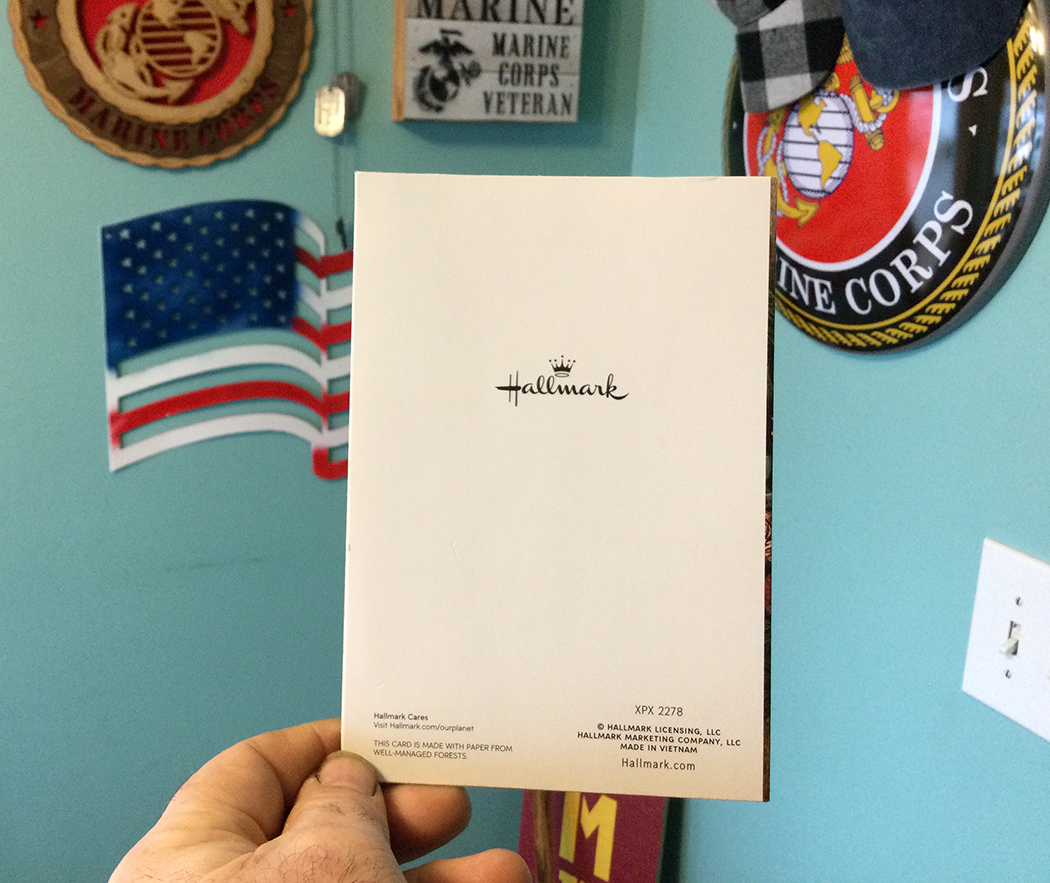
Now we are getting to the subject of this month’s message, which is all about logistics – what it is and how it works. Most of us don’t really love it, but we do love how it works, especially when all the stars align. There is very little in our lives that is not affected by some element of logistical support and control. Let’s look at that Valentine’s Day card and ask how it came to be. You wanted one, so you went to the store, and just like magic there it was, right? Not exactly. Chances are the card wasn’t produced on site, so where did it come from? I looked on the back of a card I recently received and, surprisingly, it was labeled MADE IN VIETNAM. Now that’s a whole lot of logistics. So, let’s see how far we can think back in the making of the message.
If the card was made in a country far, far away, how did they get the raw materials? Do we know where they came from or who delivered them? Were they sourced locally or did someone ship them in? How about the inks and glue? They probably came from a different location, as well. The paper is most likely a forested product and could have been locally sourced, but to make paper, you must first cut and then grind wood products. That involves many steps of labor and machinery (more logistics, right). We haven’t even looked at the agricultural aspect of planting, nurturing, and cultivating a crop of pulpwood. All of which take machinery and fuel and repairs and… I think you are starting to get the picture – logistics is not just truckin’ from one point to the next.
How many of you have noticed the number of transportation operators using the word “logistics” in their name or title these days? Makes them sound kind of important, right? Kind of like “Grade A Large Shrimp” (I have never understood that description). How about Bovine Relocation and Logistical Specialist or Cow Pies on the Fly (cow haulers) – that could be just another load of B.S. Yes, I know there are many more fun names for differing aspects of transportation, but, on a serious note, how much a driver understands of the process involved in doing their job will affect their outcome or efficiency of the experience.
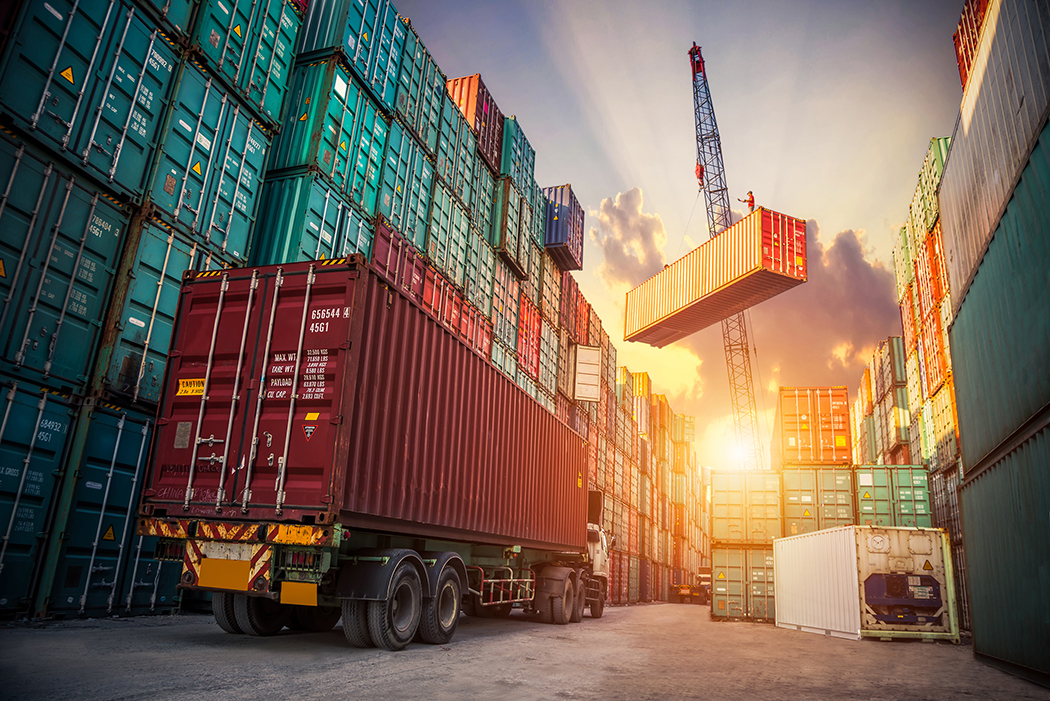
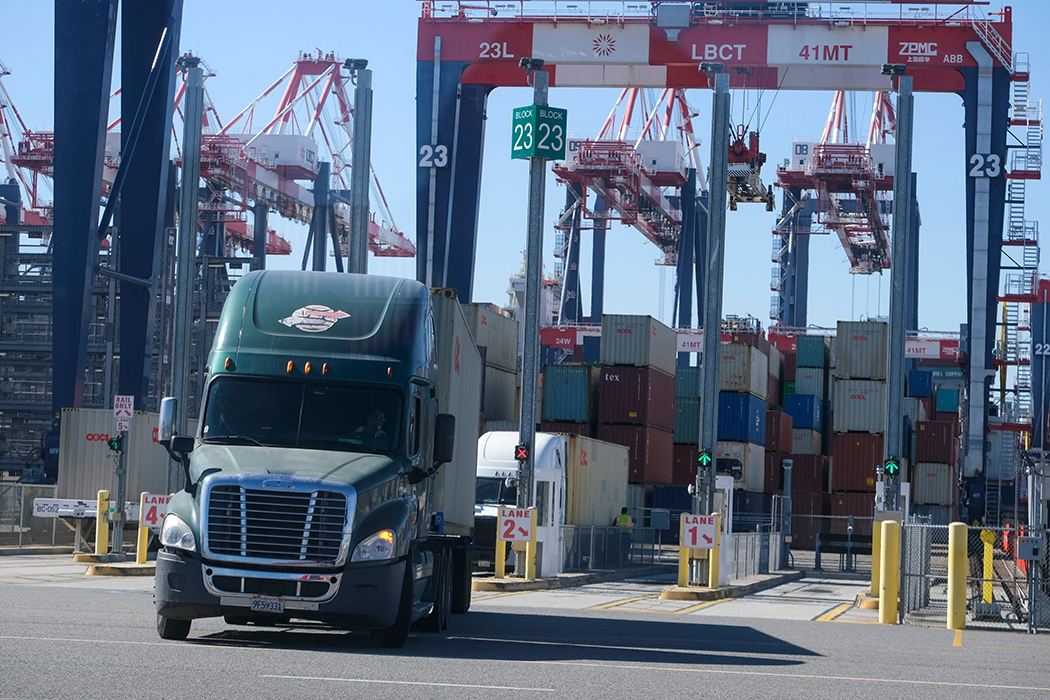
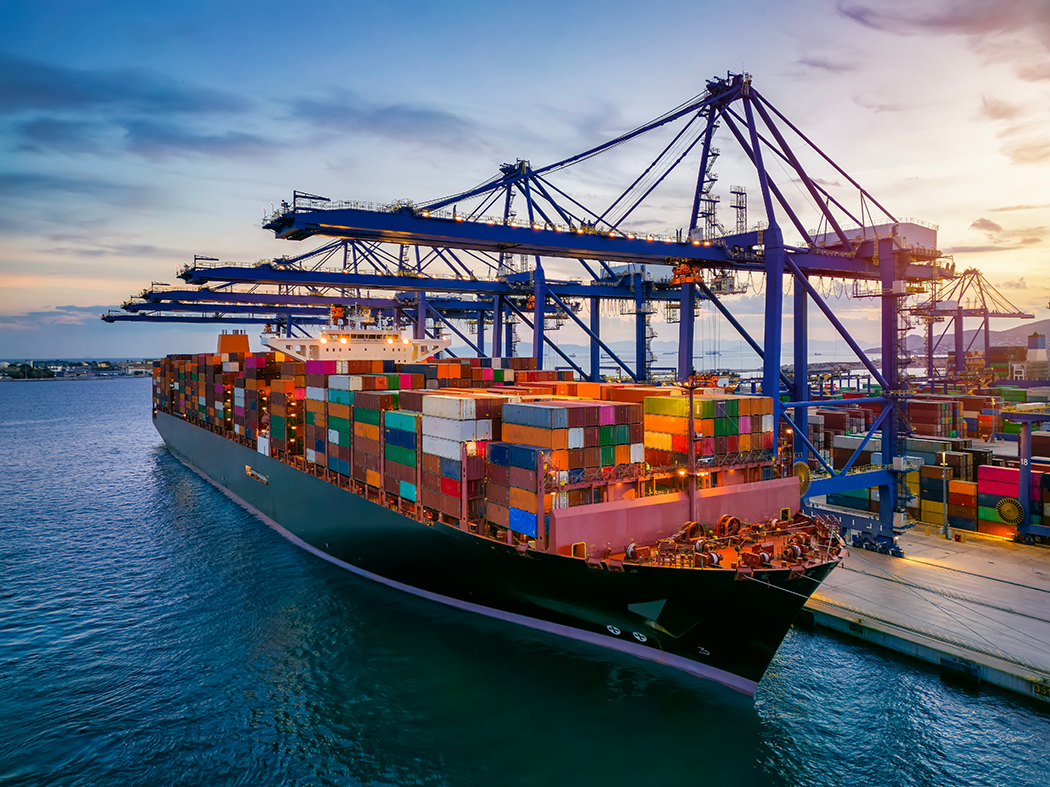
Let’s look at our greeting card again. Once it’s produced or printed in Vietnam, it then needs it be shipped, but to where? Unless it has been sold to a vendor, it will sit in a storage facility until the order has been made. At that time, it starts moving, first from the storage area to the export region or docks, then loaded in the hold of a cargo ship or on the rail in a container, to be relocated offshore (imported/exported). We don’t often think about the various arrangements needed to load, store, and move a whole ship load of different products, from one country to another, or the timeframes needed.
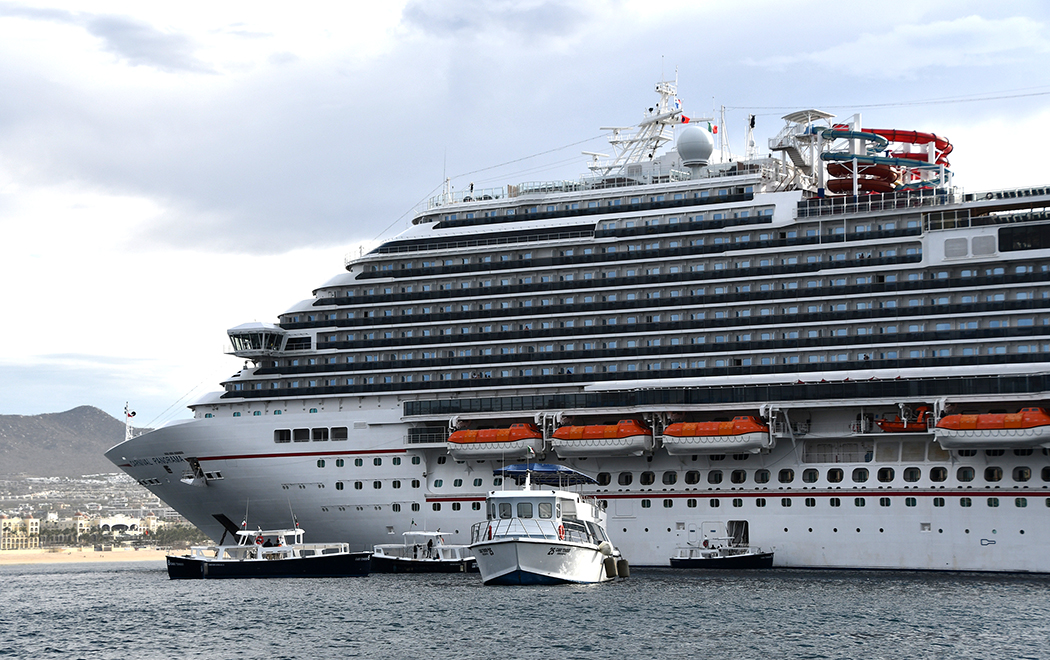
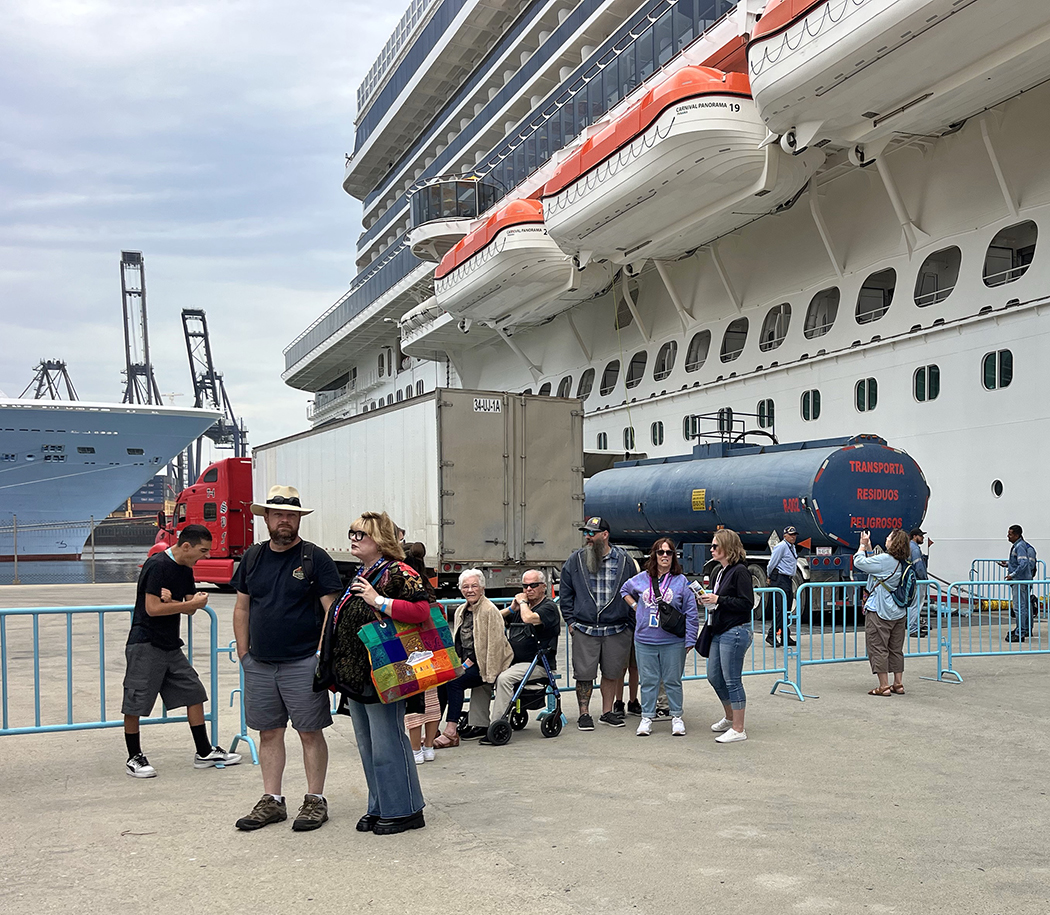
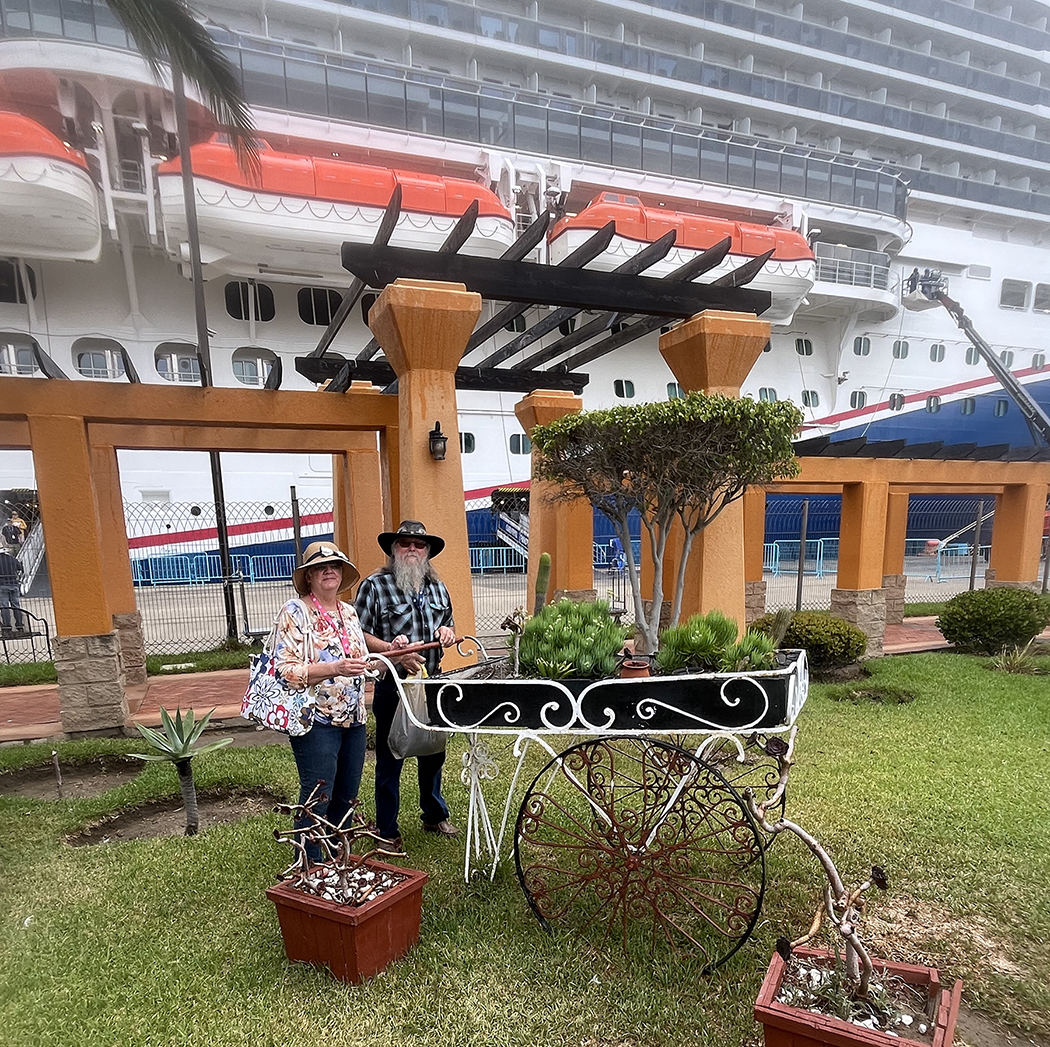
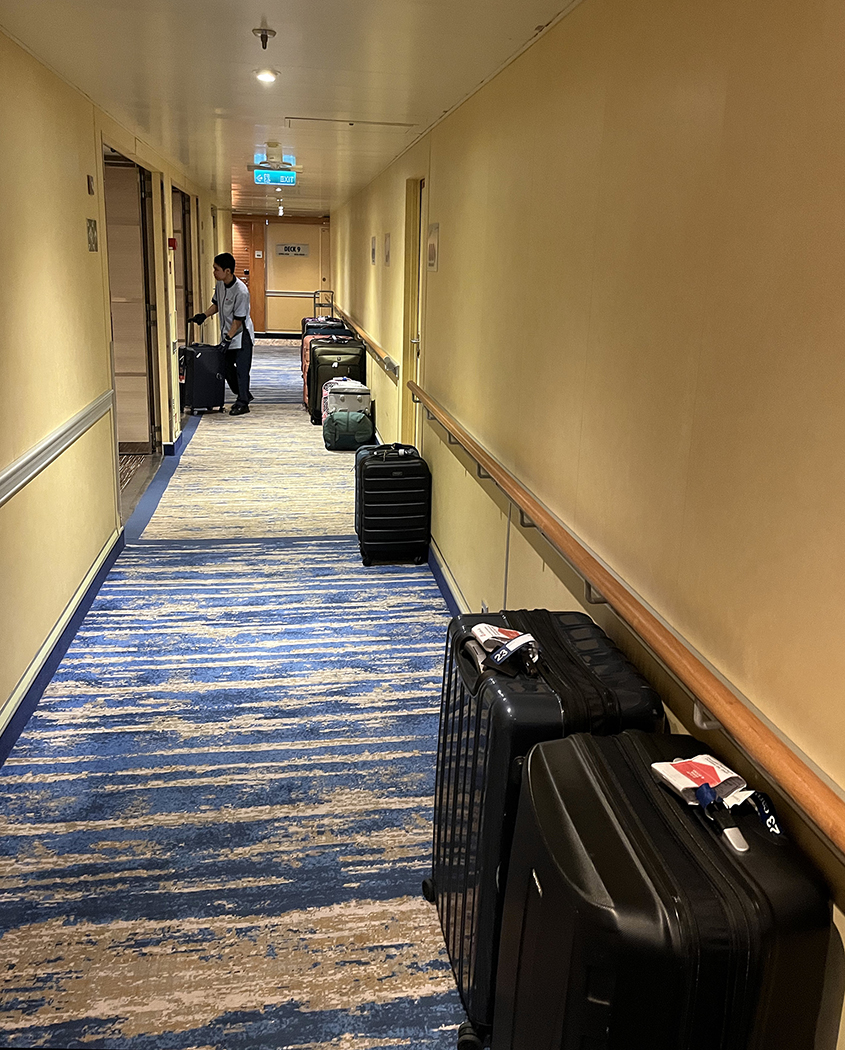
This is where my family vacation pictures come in. I was fascinated with the movements of all the moving pieces onboard a cruise ship, since we used to deliver food products to them. Not just the personnel, but everything from the food at mealtimes to the moving of luggage when boarding and debarking. With 4,000 guests and 1,500 employees, they might serve 30,000 meals a day. Wow! That’s a lot of LOGISTICS. We were on the cruise ship Panorama in the Pacific Ocean, slated from Long Beach, California, to Cabo San Lucas, Mexico, with stops in Ensenada, Mexico, as well. Unfortunately, we were not able to see or experience Cabo San Lucas on account of a hurricane and bad weather.
As a driver, I am familiar with weather-related issues on the road, but it never occurred to me ships also need to adjust for unforeseen circumstances. We think of ships and, given the size of them, think they would just “bully” their way through a storm. As it turns out, that is not the way it is. An airplane can increase its elevation and fly over most storms, unless they happen at the actual destination or origin point. Then, all flights downstream will be backed up for a bit. What a logistical nightmare. I’m quite sure no one slips the pilot a note that says, “This flight must go through. If not (fill in the blank) will not happen.” Those pilots have the lives of all their passengers at stake, just as the ship’s captain does, and they are not going to jeopardize safety for profits.
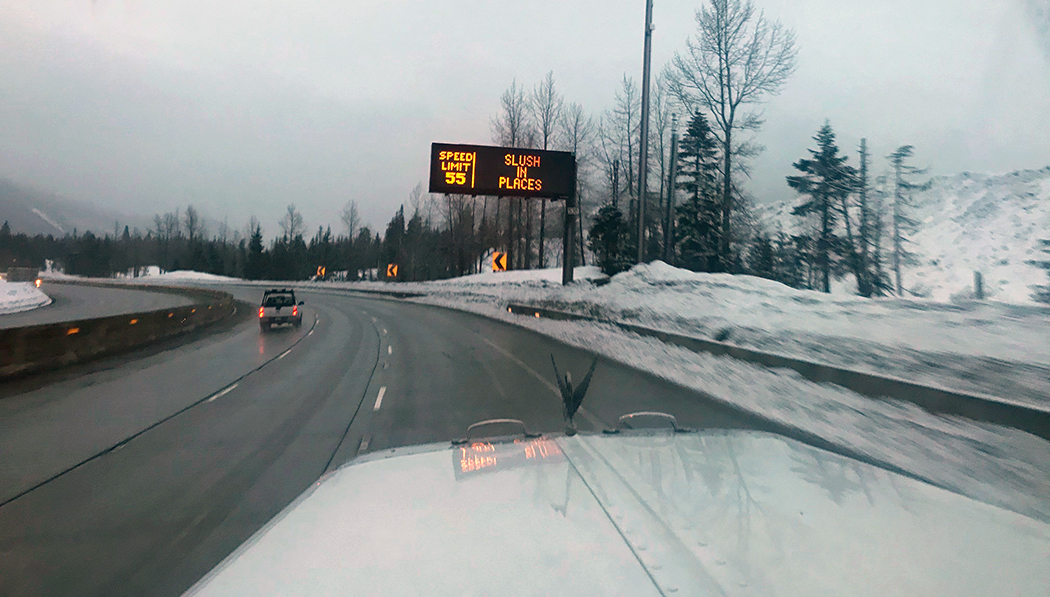
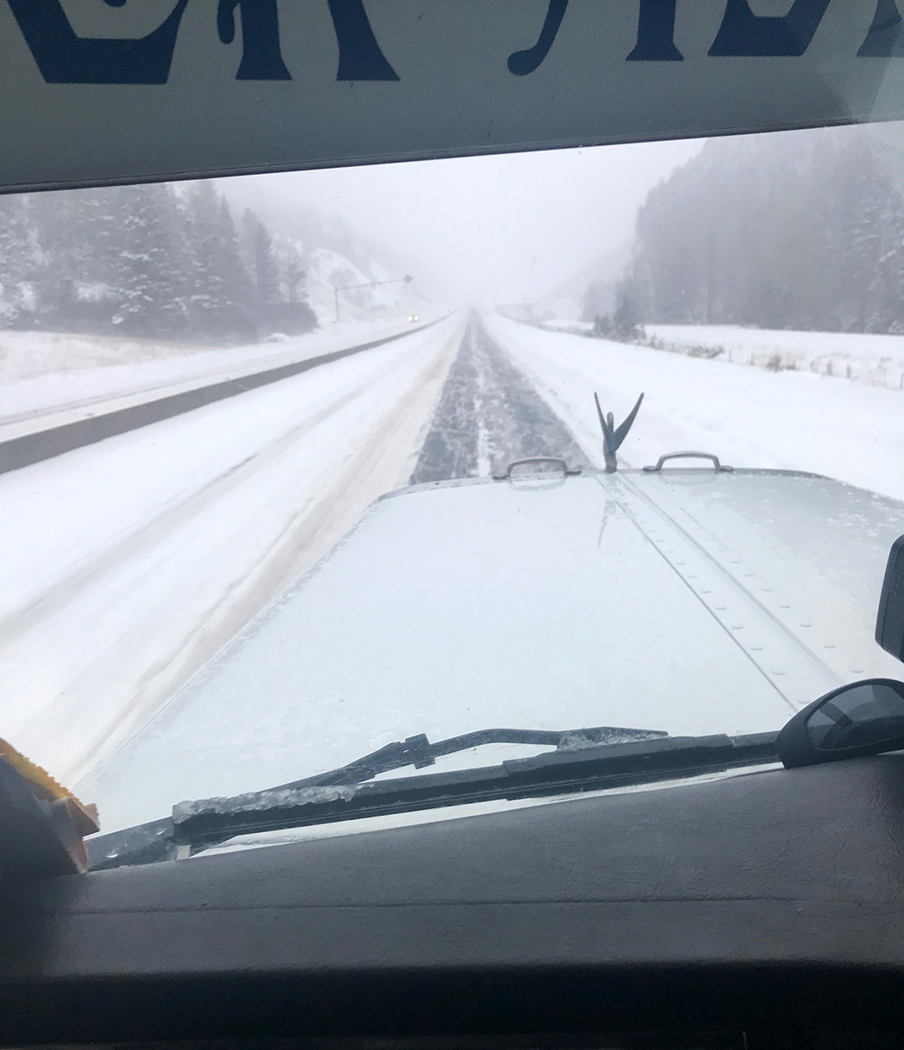
As a professional driver, you should not jeopardize safety for profits, either. That doesn’t mean that you shut down at the first snowflake, but when roads become dangerous, use judgment equal to your experience. Unfortunately, far too many drivers are continuing to push forward when they should find a parking spot to wait out the storm. That hot load will cool really fast when it’s upside down in the median, or worse, jackknifed with a family of three trapped underneath it.
If your logistics expert (dispatcher) is telling you, “Keep going or else,” ask, “Or else what?” Remember, they are safe and warm at home or in the office, and not at risk of liability, should the unthinkable happen. They aren’t the one going to jail if you kill someone due to negligence or get fired because you messed up company equipment. You are the captain of your ship and only you can pilot it through unforeseen or dangerous circumstances. Over the years, it has been my experience that getting let go (terminated) for failure to drive during dangerous conditions is far less serious than wrecking your vehicle or causing bodily harm to others and the nightmare of insurance claims that follow.
This was my first experience on a civilian cruise ship, unlike a couple trips aboard the Navy’s version of seaward transportation. This trip was far more enjoyable, and the scenery was much more agreeable. I mean, who doesn’t like bikinis poolside with some cold refreshments? Once again, it’s all about logistics. From the very start, we left our luggage on the dock staging area before we parked in an offsite parking garage, then the cruise line transported us back to the ship at our convenience. Having never been onboard a floating recreational community like this, I had no idea where to go or how to get there. I felt like a lost package at Christmastime in the local UPS terminal.
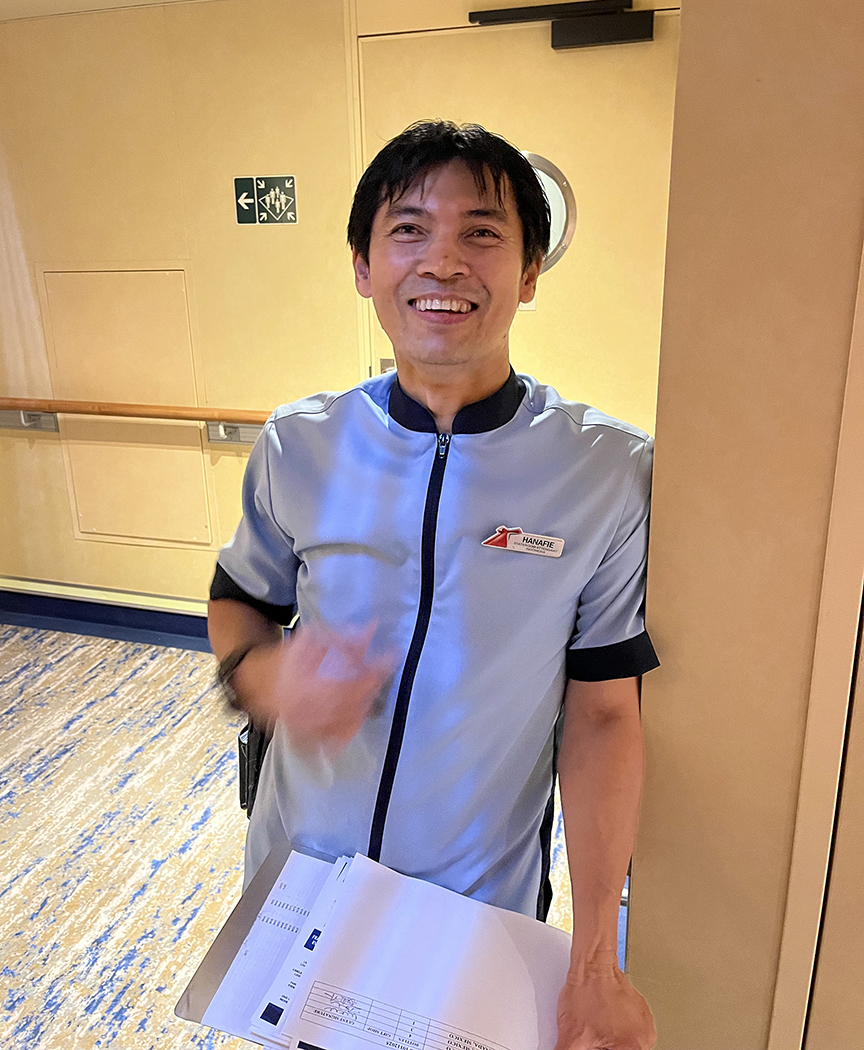
Surprisingly, our bags found the right rooms and were in place before we were. I was informed that the ship lines have an eight hour window, from the time they arrive until they depart, with a new load of passengers. During that time, they need to offload all of the departing passengers and reload the new ones, along with refilling the ship with fuel, supplies, and making personnel exchanges. I mentioned how the luggage found its way to the berth before we did, and that was because our steward (Hans) had found and relocated all the bags and prepped our rooms clean enough to pass any military inspection. He later told me he was responsible for 37 rooms on our deck (floor), plus the common area.
On the very first day, Hans had memorized all our names and the names of every passenger in his group of rooms. If that wasn’t enough, he also knew us on sight and called us by name, even the children. You might ask why that is important. He said that after 27 years of service, he had learned children come and go to the pool often, so they need extra towels and personal items. There is limited storage space in the rooms, so he needed to stock and restock these as needed. It’s all about logistics – having the right thing when you need it, even if you didn’t know you were going to.
I would equate the service Hans provided us to that of a truck driver’s responsibility. He came and went in the shadows, seldom seen, quiet and without fanfare. His personal service, much like the products on the store shelves where you shop, just happened (everything we needed or wanted was on hand when we reached for it). It wasn’t luck of the Irish or leprechauns that made things just magically appear, it was logistics – that slow and methodical process – from start to finish. We are all part of a much bigger picture. Each of us plays a role in the seamless process that makes the world go around. And even if you don’t love logistics, you still have to love what it does for us, right? Aye, aye, captain, and a big 10-4 to everyone else!