


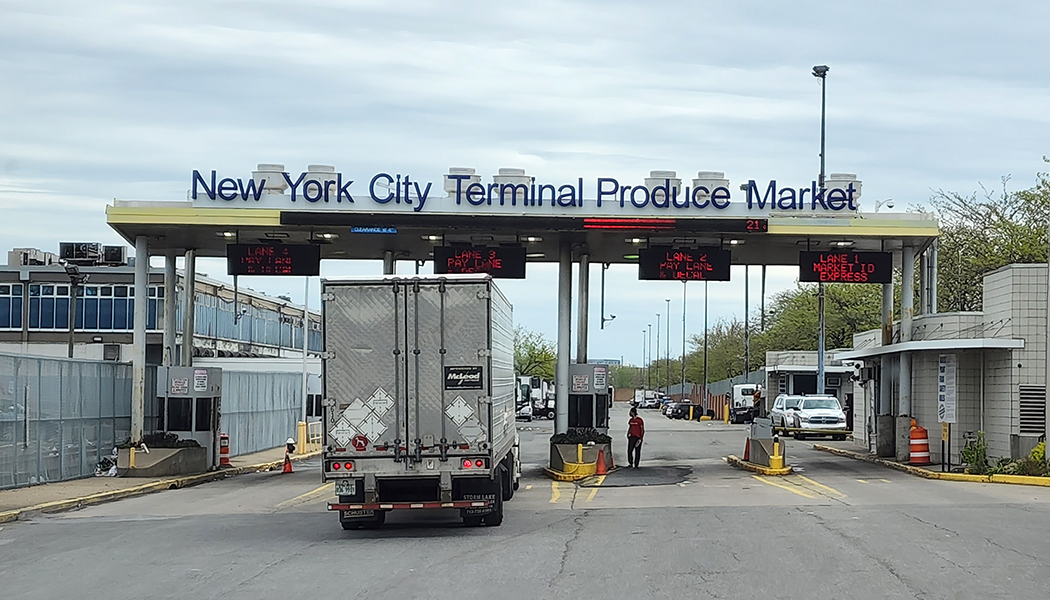
Many people often say, “I am never going to…” For most of my trucking career, I said, “I will never go to the Hunts Point Market.” The other old saying “never say never” is true, too. I never went to Hunts Point until John took me there for the first time in 2017. All the trucker lore (stories, legends and superstitions passed down among truck drivers) helped me make the decision this was a place I did not need or want to go. Back in the day, the stories were true, and I hope no one takes offense to the facts of a different time.
The Hunts Point peninsula, located on the east side of Manhattan on the East River in New York, where the market is now located, was named after Thomas Hunt in the late 1600s. Hunt was an Englishman, and he, along with other wealthy individuals, built farmhouses and mansions there. Today, many of the streets there still bear their names. In 1874 Hunts Point was officially annexed to the Bronx. The rapid pace of the Industrial Age and construction of the New York New Haven Railroad put an end to farmhouses and mansions on the Point. The rural landscape was then transformed, as single-family homes and apartments were built in the northern part of the neighborhood.
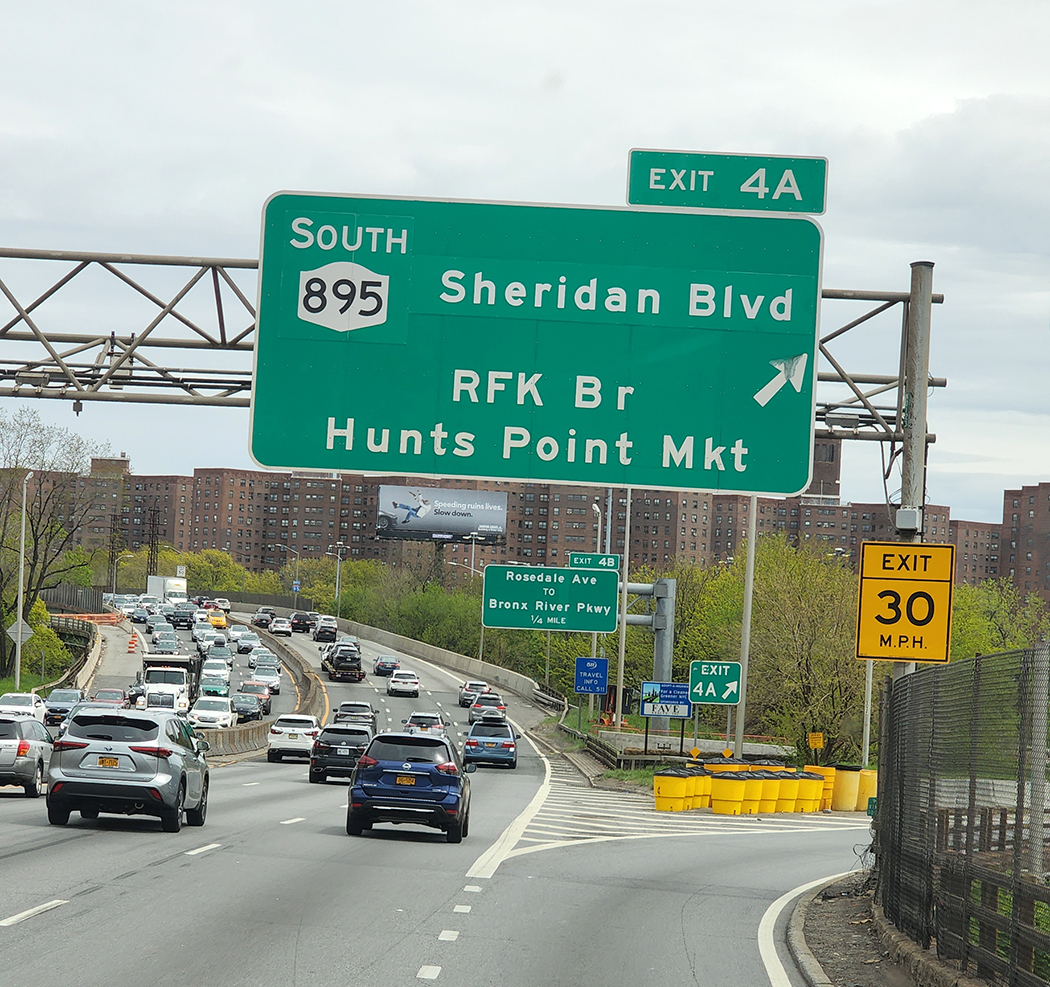
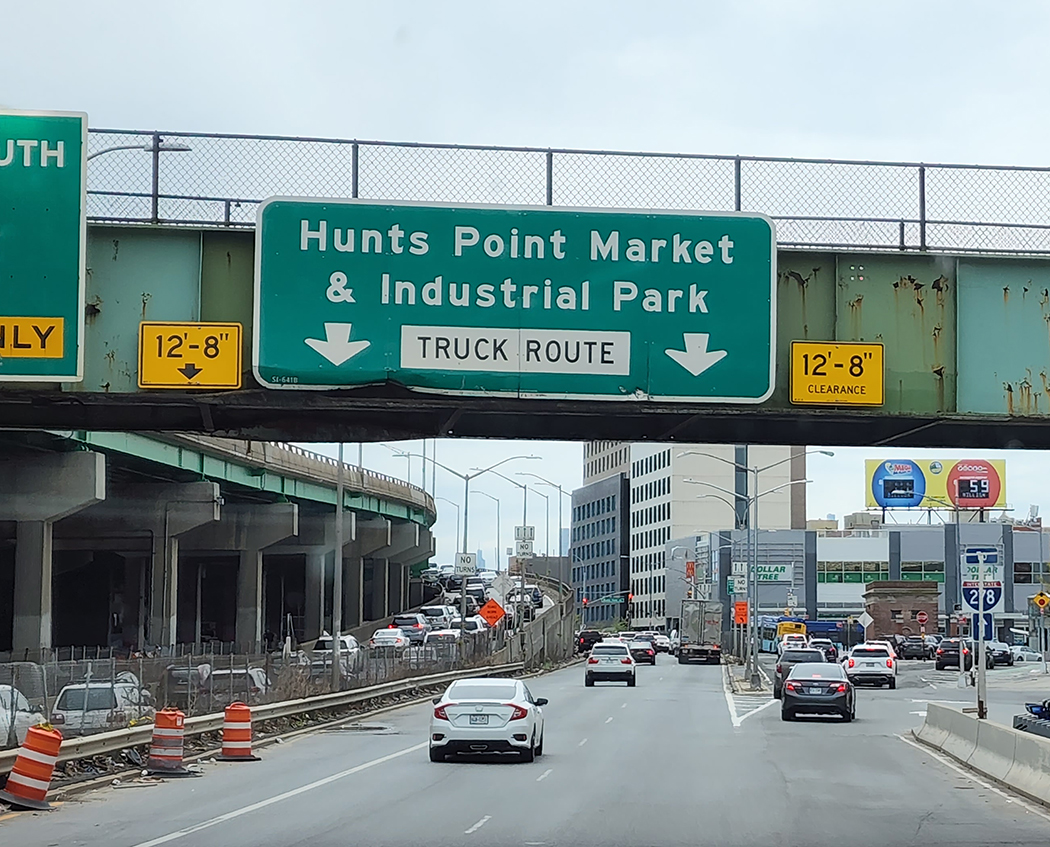
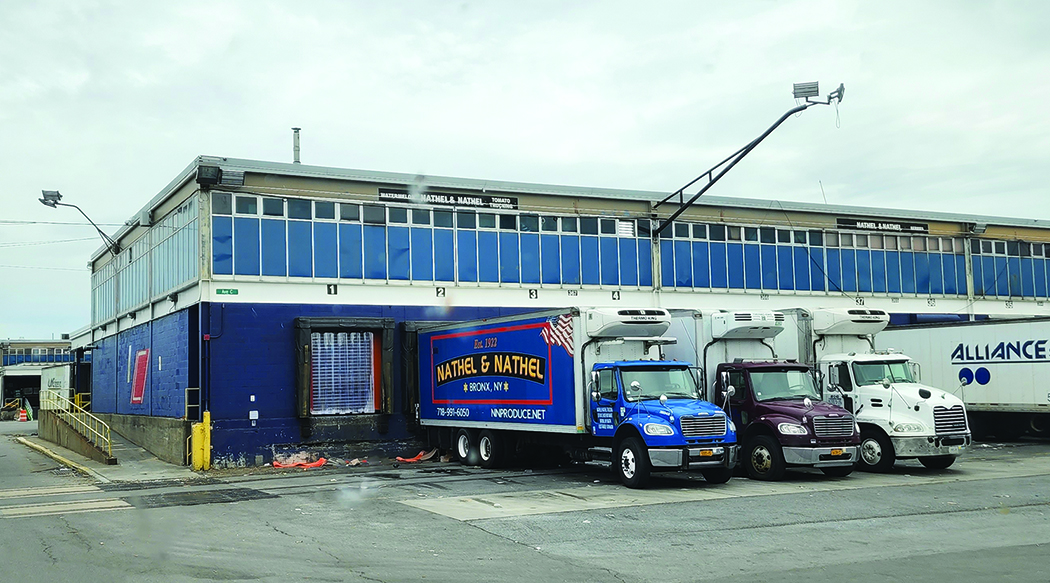
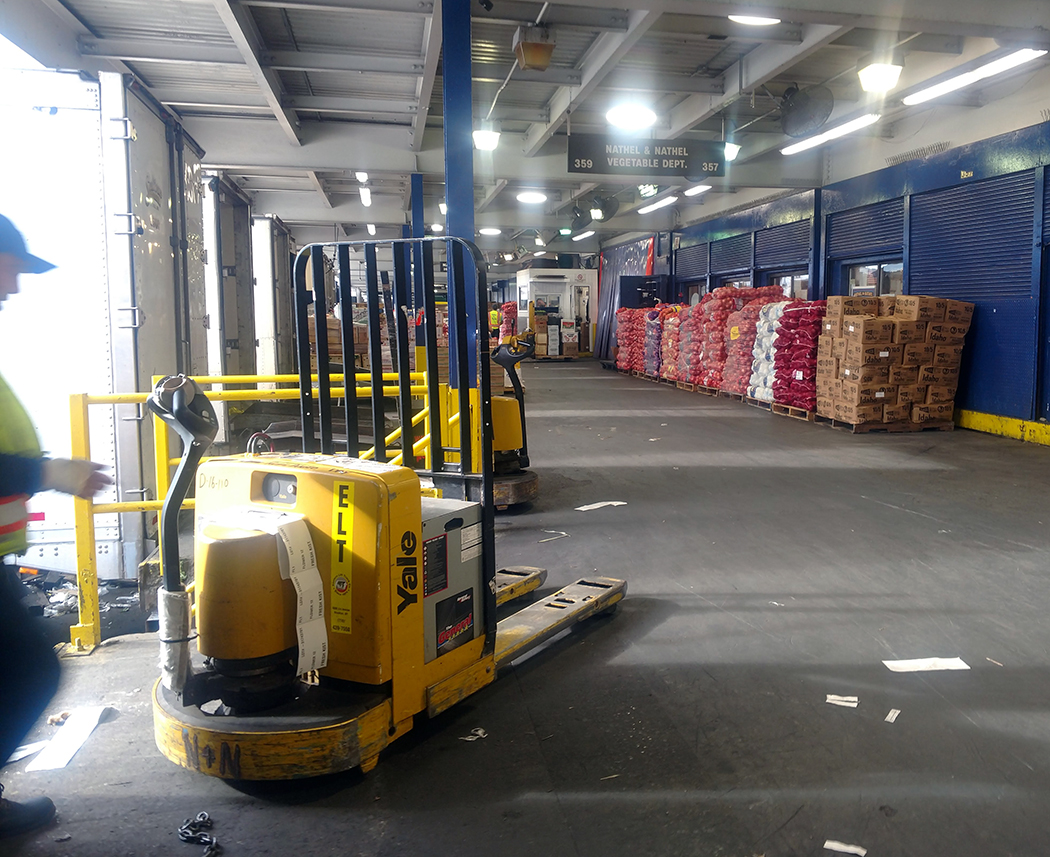
Today, the overarching term for the collection of markets at Hunts Point is the Hunts Point Food Distribution Center and includes three major markets – the Hunts Point Terminal Produce Market, the Hunts Point Cooperative Market (for meat and meat products), and the New Fulton Fish Market. Distributors and vendors lease space in their respective markets. Many have been handed down for decades, or even a century – the customer John sometimes hauls for, Nathel & Nathel, recently celebrated their 100-year anniversary in 2022. Hunts Point is the largest distribution center of its kind in the world.
New York City’s old Washington Market was, at various times during its 150-year-long history, dubbed the largest and most important market in the city. It was originally built in 1812 at the south end of what is now called Tribeca. Washington Market was just one of the many sprawling markets that sprung up in Manhattan in the 1800s including the Gansevoort Market, the Fulton Fish Market, the West Washington Market, the Manhattan Market, and others.
The Washington Market continued to flourish, but by the late 1930s, the building became outdated. In 1941 a modern market was opened. The ornate stained-glass windows and terracotta embellishments were replaced with sleek enameled panels with boxy windows. By the 1950s, problems began to plague the market, and it was losing money each year because of the difficulty in getting goods to and from the market on the narrow, congested streets. Also, the city began to see the land on which it sat as a commodity more valuable than the old market itself.
The final blow to the Washington Market was when the Washington Street Urban Renewal Plan put forth a master plan for the area the size of 24 city blocks around the market site. The plan included housing, a college and a public park, and it required the demolition of many historic structures. Today, One World Trade Center sits on the site that once was the Washington Market. A few of the buildings were spared in one of the city’s preservation campaigns, but not many. At that point, the market and its vendors were moved to make room for the construction of the Twin Towers.
In 1967 the Hunts Point Terminal Produce Market officially opened, and merchants from the Washington Market relocated there. Situated on 113 acres, it became the largest fresh vegetable and fruit wholesale distribution center in the US. It is a logistical spectacle. Produce comes from 49 states and 55 countries, and the market handles over 120,000 tractor-trailers, 2,200 rail cars and over a million overnight buyers with small trucks and vans each year. Wholesale business is conducted within four main buildings, each one-third of a mile long, rows A-D, along platform floors that run parallel to one another like the tines of a fork. Each year about 2.7 billion pounds of produce is sold from the Market.
Opened after the produce market, the Hunts Point Cooperative Market was the second of the three cooperatives. It was built in 1972 on 40 acres with six buildings, but was later expanded to seven buildings, sitting on 60 acres. There are 52 companies that process and distribute meat in just under 1,000,000 square feet. All the major equipment is operated and maintained by NYC engineers who are on the premises 24/7, 365 days a year. It is the largest facility of its kind in the world, and a major distribution hub for the New York City metro area. All the meat plants there are USDA inspected facilities. The customers include large chain supermarkets, most of the nearby hotels and restaurants, along with many mom and pop butcher shops.
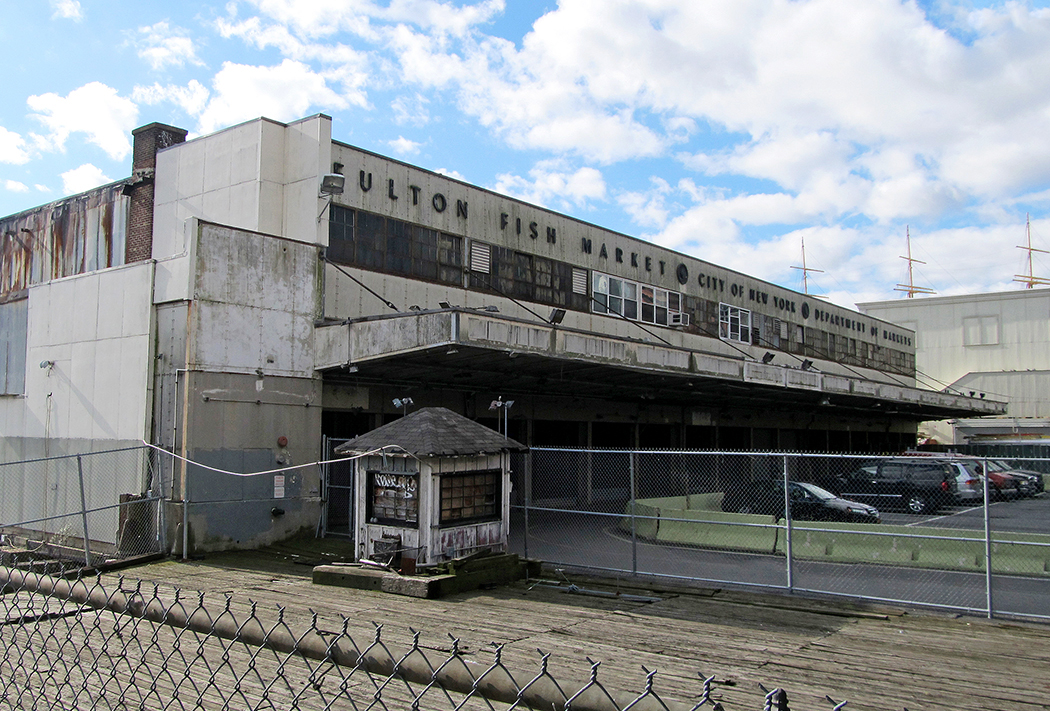
The final of the three Hunts Point markets is the Fulton Fish Market, which was originally established in 1822. In 2005, the Fish Market moved to its new facility in Hunts Point, from its historic location at the South Street Seaport (along the East River waterfront at Fulton Street) in the Financial District of Lower Manhattan. During much of its 183-years at the original site, the Fulton Fish Market was the most important wholesale east coast fish market in the US. When it opened, it was the destination of fishing boats from across the Atlantic Ocean. But by the 1950s, most of the market’s fish were trucked in rather than offloaded from the docks.
In its original location, the Fulton Fish market was one of the last and most significant of the great wholesale food markets of New York. It survived major fires in 1835, 1845, 1918 and 1995. During most of the 20th century, the market was associated with one or more New York Mafia families. In 1988, the US Attorney’s Office filed a suit under federal racketeering laws to appoint a trustee to run the market. A trustee was appointed, but his ability to influence organized crime was limited. Since 2001, the market has been regulated by New York City’s Business Integrity Commission in an effort to eliminate the influence of organized crime.
When the New Fulton Fish Market opened at Hunts Point in 2005 it cost $85 million to build. There were 650 workers who made the move to the new location, and it added 5,500 trucks going through Hunts Point per week. The new market sees up to two million pounds of seafood every day, making it the second largest fish market in the world, second only to Tokyo. It primarily serves the wholesale trade but is also open to the public for retail sales. The prices are subject to change day to day based on the type of fish, its quality, and the current market demand. Restaurants often use the term “Market Price” for this very reason.
Along with ties to the Mafia, there are many trucker stories about how rough it was to deliver to the market back in the day. Talking with our friend Kevin Sheets, he remembers going to both the produce and the meat markets in Hunts Point. He said there might be guys up in the beams of overpasses and they would jump down on the top of your trailer, since you weren’t going fast. Then, they would shimmy down the rods of the trailer doors, cut your padlock, open the doors, and then start tossing out your freight – while you were moving!
There were hookers on the corners, and even in bitter cold weather, they would be out there and often open their coats to show would-be customers what they had to offer. Drugs were easy to get there, too, and it was common for people to jump up on your truck or steal things like hubcaps. Kevin also remembered this was a place with a lot of cash. On the dock there were people paying for their produce with wads of $100 bills. He told me if you went in there with knowledge and common sense and then got out of there, it wasn’t so bad.
Our friend Kevin also remembered when he went to the meat market that he had to back into the docks off the street and then wait – when it came time to open the doors, an armed guard came out to protect the freight. Talking with another friend, Jeff Michalesko, he got a lesson that only cost him $50. A man was selling a radar detector, so he gave him the money and was then told to wait while the guy went to go and get it – not surprisingly, he never came back.
John’s first experience going to Hunts Point was January 1992. He had a student, Lee Margalski, along at the time, and they had loaded oranges in Lindsey, CA. When they got to the market, they witnessed an altercation where a driver backed into another driver’s mirror. That driver asked for $50 to replace the mirror and, when he thought the guy was going to get the money, in reality he was going to get his gun. He shot the driver in the chest, killing him, and John and Lee watched the whole thing happen.
Some 16 years later, after John got his own authority, he started loading for Donavan Produce, which was the broker for Nathel & Nathel in row C in the market, going there every other week back then. When I went there with John, we walked down to the Market Place Restaurant and had a great lunch. I have to say, I still wouldn’t go walking around there alone, but the people at Nathel & Nathel were awesome – it’s a New York experience. And with lots of available food, the rats that were running around were as big as large house cats.
There is a parking fee to enter the market, and it varies between $5-$20, depending on the size of your vehicle. This is paid at the security gate. You can also enter through six pedestrian tunnels. It’s funny, in writing about Hunts Point, it makes me think of the old Chicago Markets and how similar they are in these two big cities. The Fulton Market in Chicago was their meat market – I guess that was a popular name back then. The Chicago Water Market I delivered to was probably just as bad as Hunts Point, with hookers and drugs, and you better be careful while you were there.
Markets like these have always been and always will be important to the cities and people that they serve – even if they are a little sketchy to go to. But going to them is an experience you might someday want to try, just to see it for yourself, so never say never! I’m glad I went and saw them and experienced trucking in and out of them, but I’m not looking to ever go back!!