So, besides a new President, what does the transportation industry have to look forward to in 2021? Hair testing has been many years in the making, and the following are some of the proposed guidelines. On September 10, 2020, Substance Abuse and Mental Health Services Administration (SAMHSA) and the HHS (Health and Human Services Department) proposed scientific and technical guidelines for the inclusion of hair specimens in its Mandatory Guidelines for Federal Workplace Drug Testing Programs. This is an early step to authorize hair specimens for regulated drug testing of Federal agencies and contractors. Here are a few key points to note.
SAMHSA proposed to collect an alternate authorized drug testing specimen (urine or oral fluid) to be used when there is a positive hair drug test. The guidelines proposed a shorter (1”) 100 mg hair (head only) split specimen than the current industry standard of 1.5-inch single-specimen collection. Proposed drug cutoffs, except for THCA (marijuana) confirmatory testing, are consistent with a majority of the workforce hair drug tests conducted in the US. The agency proposed requiring specimen validity testing (SVT). The proposed guidelines seek to use transparent specimen guides and containers for hair collections (in lieu of the current foil and paper envelopes). SAMHSA accepted comments through November 9, 2020.
These are only proposed Guidelines and hair testing is not approved for any Federally mandated drug DOT testing yet. Hair testing, like all drug testing methodologies, helps to mitigate risk, discourage drug use on the job, and increase workplace safety. Many employers like the longer detection window offered by hair testing, especially for pre-employment and random screenings. Hair testing earned its name as a “lifestyle test” providing up to a 90-day history of repetitive drug use. Additionally, an observed hair collection helps to reduce the likelihood of cheating or tampering by a donor.
What drugs are tested in a hair test? Quest Diagnostics tests for amphetamines (amphetamine, methamphetamine, MDMA and MDA), cocaine, marijuana, opiates, oxycodones, and PCP. A hair test is an excellent option for pre-employment and random testing programs. Because hair testing detects a pattern of repetitive drug use over a longer period, it is not well-suited for situations when a drug test result is needed as close as possible to the time an incident occurs.
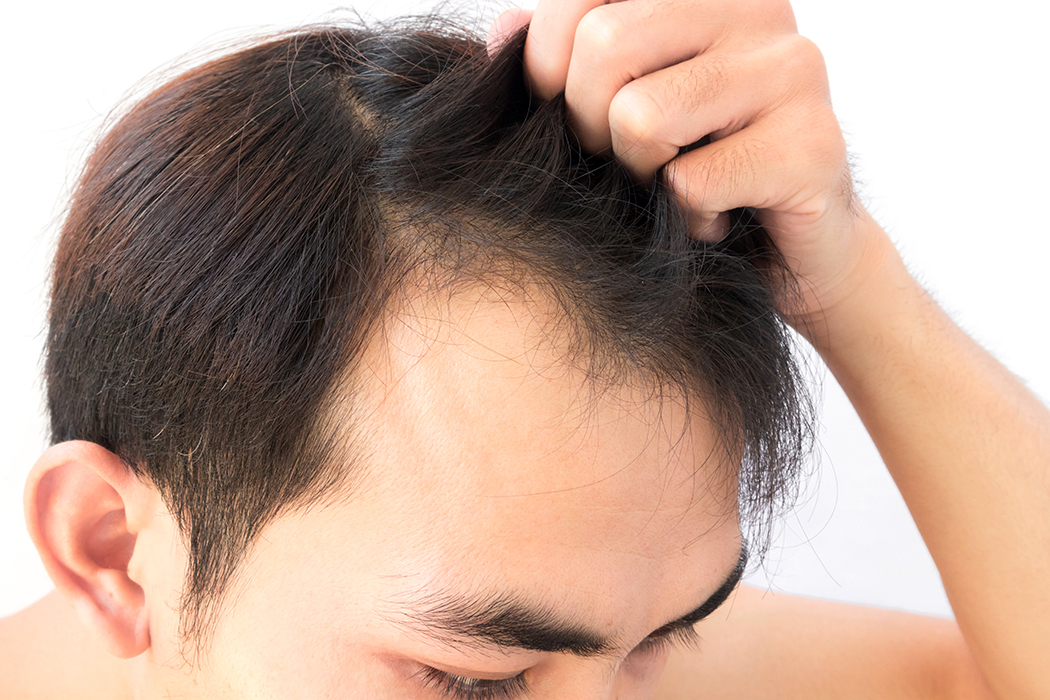
How is a hair drug test collected? A trained collector cuts approximately 100-120 strands of hair from the crown of the donor’s head. The hair is cut as close to the scalp as possible, so only the strands of hair above the scalp are tested and not the actual hair follicle. A Quest drug screen usually requires an undetectable lock of hair, preferably snipped from the back of the head, just below the crown. In general, the amount needed equates to a single row of hairs about one centimeter wide.
Can products and treatments affect a hair drug test result? We asked Dr. Barry Sample, Senior Director of Science and Technology, Quest Diagnostics, to better explain the potential effects of products and treatments to a hair drug test. As he explained, “When shampoos, sprays or gels were applied to cut hair samples, they had little or no effect on positive or negative hair specimens. When normal hair treatments, like bleach or dye, were applied to cut hair samples, they typically did not interfere with test results, either. When tested under worst-case scenario conditions, most treatments had minimal or no impact on results for the majority of drugs. When there was an effect, screening absorbency readings became more negative for positive hair specimens, and slightly more negative for the negative samples.”
Is there a difference between hair drug testing and hair follicle drug testing? “Yes, calling a hair drug test a hair follicle drug test is a common misnomer,” according to Jarod Rowland, a scientific expert in a hair drug testing laboratory in Lenexa, Kansas. “The hair follicle is the pocket, below the scalp, from which the hair strand grows. During a hair drug test collection, the hair is cut as close to the scalp as possible, but only the hair above the scalp is tested, not the follicle. True hair follicle testing requires the hair be plucked rather than cut, which can lead to extreme donor discomfort.”
Hair testing now includes specific testing for oxycodones. The opioid epidemic continues to be a public health emergency. Data from the Centers for Disease Control and Prevention (CDC) paint a stark picture, stating that 68% of the 70,000+ drug overdose deaths in 2017 involved prescription opioids and heroin. Additionally, the number of drug overdose deaths involving opioids was six times higher in 2017 than in 1999. People use opioids as prescribed by their physicians, but a significant number of people continue to abuse these drugs. Misuse inevitably spills into the workplace.
According to data from the 2018 Quest Diagnostics Drug Testing Index, more workplace drug tests are coming up positive. Increased positivity, coupled with the opioid crisis, has many employers concerned about hiring drug-free, qualified workers, workplace safety, and deterring drug use at work. Drug-free workplace programs that include a diverse drug testing regimen can help achieve these goals. More specifically, when multiple test types are implemented, employers can more effectively detect short-term and long-term drug use.
For employers concerned about the long-term drug use history of a current employee or job candidate, hair drug testing may offer the best solution for their pre-employment or random drug testing programs. Hair testing is the only method available that provides up to a 90-day drug use history. Also, recent enhancements to hair testing panels now allow for more specific testing for opiate-like or opioid drugs such as oxycodone and its metabolites. This refined testing yields greater sensitivity and may result in more positive test results.
If you have questions about hair testing or any other safety related subject, give us a call at NTA. We are here to help truckers understand the rules and comply – and save them some money in the process, as well. Our recently redesigned website (www.ntassoc.com) is a great resource, or you can call us at (800) 805-0040. Here’s to a better 2021!